Market volatility is inevitable, but it does not have to derail your retirement plans. These six retirement planning moves can help you prepare for market swings, protect your retirement income, manage investment risk, uncover potential tax opportunities, and take advantage of market downturns.
—
Market swings can feel very different when retirement is getting closer.
While you are working and regularly contributing to a 401(k), a market decline may simply mean watching an account balance temporarily fall. But when you are preparing to retire, or already relying on your savings for income, the stakes can feel much higher.
Since 1980, the S&P 500 has experienced a drop of 5% or more in 93% of calendar years and a drop of 10% or more in 48% of calendar years, according to Fidelity.
In other words, market declines aren’t unusual. The challenge is that no one knows exactly when they will happen or how severe they will be.
As Loren Merkle, CFP®, RICP®, Certified Financial Fiduciary®, explains, “We don’t really know what’s going to happen. Nobody really knows when or what’s going to happen except for it’s going to go up and it’s going to go down.”
Instead of trying to predict the next market move, retirement planning can focus on preparing for it. Here are six strategies to consider.
1. Shore Up Your Emergency Fund
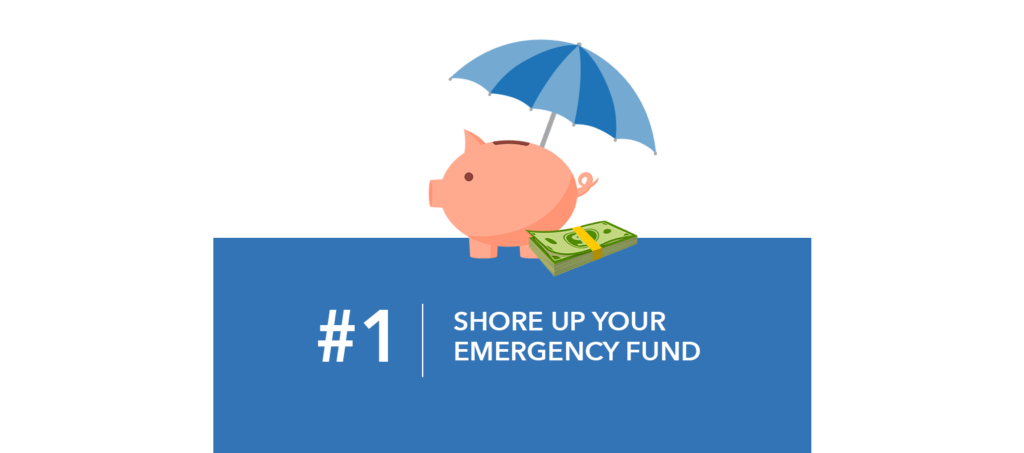
An emergency fund provides readily accessible money when the unexpected happens. But the amount you need can change as you approach retirement.
During your working years, that could mean keeping three to six months of fixed expenses available. Near retirement, the strategy may look different because other liquid retirement assets and income sources may be available.
Timing matters, too. Social Security benefits may not begin immediately after you elect them. A 401(k) rollover can take time. Changes in health care coverage can also create transitional expenses.
Having sufficient liquidity may help reduce the need to sell investments during an unfavorable market simply because you need cash.
2. Develop a Retirement Income Bucket

An emergency fund is designed for the unexpected. An income bucket serves another purpose: helping fund your lifestyle.
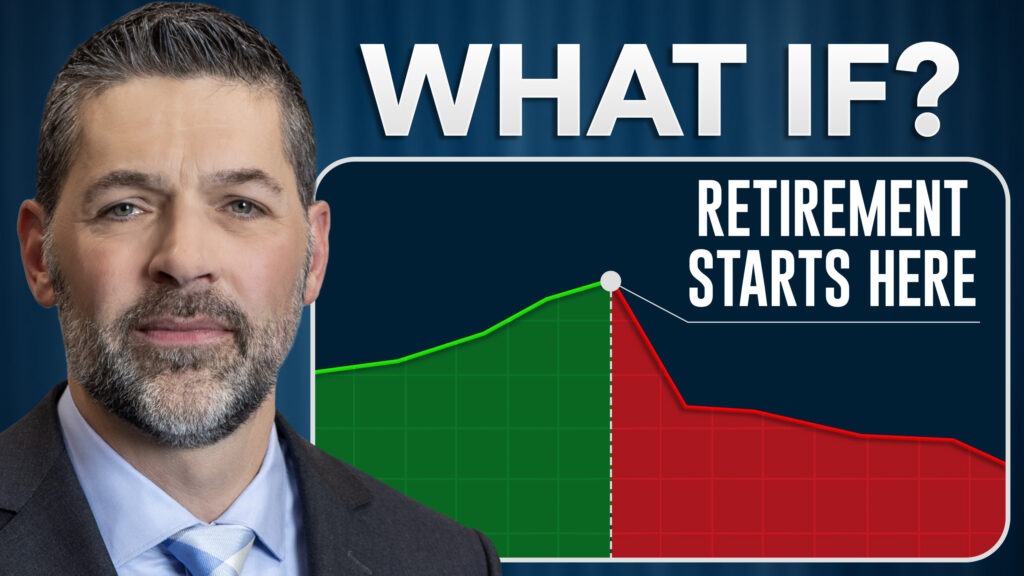
A significant market decline near the beginning of retirement can be particularly challenging if you need to sell investments that have fallen in value to pay your regular expenses.
Loren explains, “The last thing that you want to have happen is you retire, and based on what the market does, your lifestyle is dictated by that.”
An income strategy can designate money specifically for upcoming retirement expenses, which may help reduce your day-to-day lifestyle’s dependence on short-term market performance.
Clint Huntrods, PhD, Certified Financial Fiduciary®, says this preparation becomes especially important as retirement approaches: “What we don’t want to have happen is get you off track with your retirement plan.”
The goal isn’t to eliminate market volatility. It’s to structure your retirement in a way that may give you more flexibility if a downturn occurs near your retirement date.
3. Look for Tax-Loss Harvesting Opportunities
A falling market isn’t only something to defend against. It can also create tax-planning opportunities.
Tax-loss harvesting involves intentionally selling an investment that has declined in value and using the realized capital loss to potentially offset capital gains or, in certain circumstances, other taxable income.
4. Consider Dollar-Cost Averaging
Dollar-cost averaging means investing money systematically over time instead of trying to determine the perfect moment to enter the market.
For someone who is still working, this may already happen automatically through regular 401(k) contributions. Money goes into the account whether markets are rising or falling.
Retirement changes that equation because contributions from a paycheck typically stop and withdrawals may begin.
One potential strategy is to keep a portion of assets in more conservative or liquid holdings. During a significant market decline, some of that money may then be available to invest while prices are lower.
Loren describes the opportunity this way: “The market’s down. We can implement this go-time strategy to take advantage of it.”
Rather than viewing every downturn solely as bad news, having a predetermined strategy may give you options to consider when market conditions change.
5. Rebalance Your Investment Portfolio
A portfolio’s risk level can change even when you haven’t intentionally changed anything.
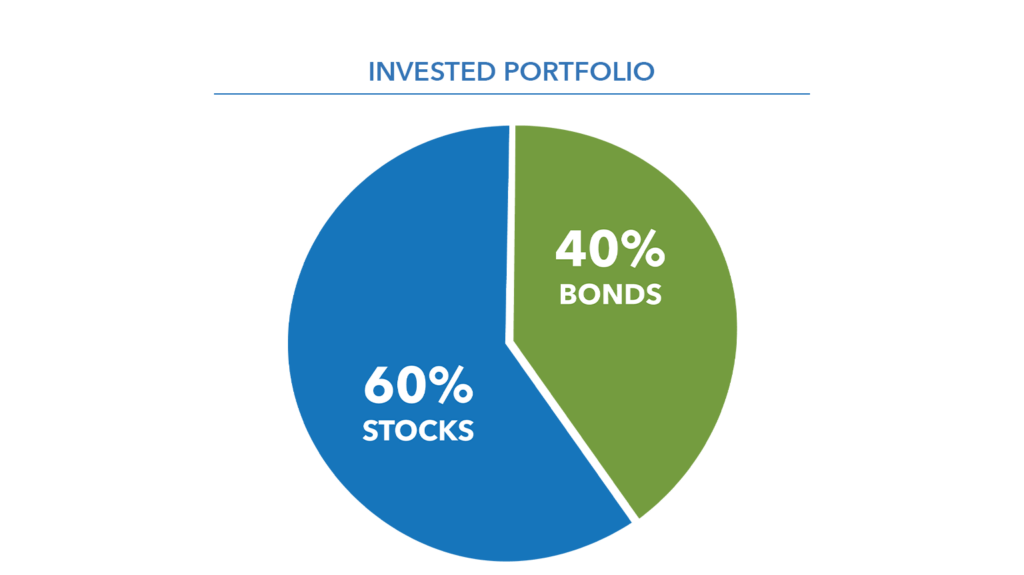
Imagine you originally decided that a portfolio consisting of 60% stocks and 40% bonds fit your retirement strategy. If stocks substantially outperform bonds for several years, that same portfolio could eventually become much more heavily weighted toward stocks.
The result is that you may be taking considerably more investment risk than you originally intended.
“Now is a really good time to consider this rebalancing strategy because over the last five years, the S&P 500 is up, wait for it, is up 85%,” said Loren.
He adds that the average bond market had increased only about 1% during the same time frame. Under those conditions, a portfolio that began near 60% stocks and 40% bonds could potentially drift much closer to 75% stocks and 25% bonds.
Clint explains, “Continual rebalancing to make sure that you’re in alignment with the level of risk that you’re comfortable taking is something that’s really important to be proactive about.”
This can be especially important when retirement is approaching. The investment allocation you chose 10 or 20 years ago, or the target-date fund selected inside your 401(k), may no longer match the retirement plan you have today.
6. Evaluate Roth Conversion Opportunities During a Down Market
A market decline may also create an opportunity to evaluate a Roth conversion.
A Roth conversion generally involves moving pre-tax retirement money from an account such as a traditional IRA into a Roth IRA. The converted amount is generally taxable in the year of the conversion, while qualified distributions from the Roth IRA can later be tax-free.
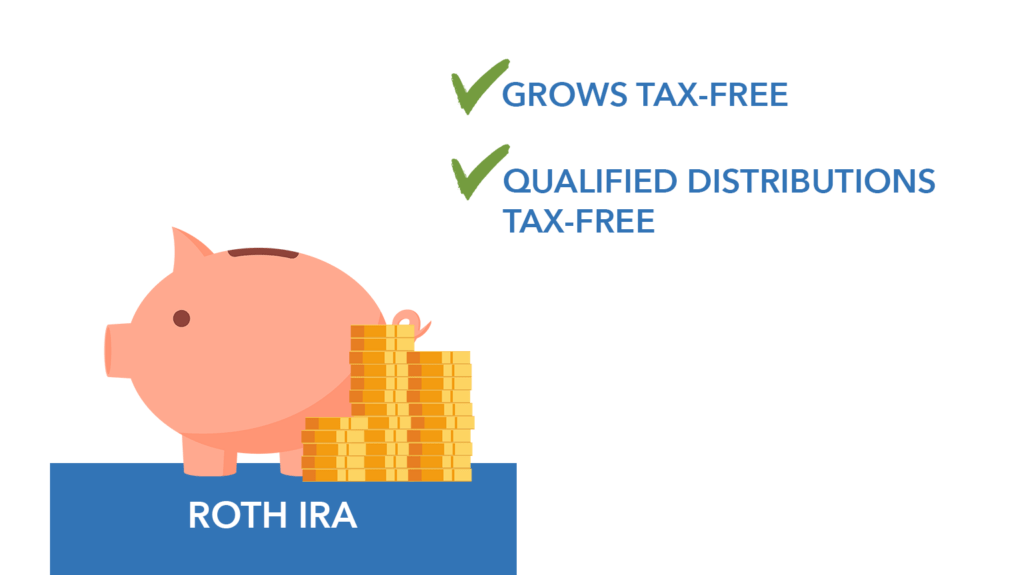
Market declines can add another dimension to the strategy.
Consider this hypothetical example: If an IRA declines during a market downturn and your broader tax strategy supports a Roth conversion, assets converted at the lower value would have the opportunity to participate in any subsequent market growth or recovery inside the Roth IRA.
As Loren explains, “The market’s down, you take the $20,000, put it into Roth. The market goes back up, you get all that growth on the tax-free side.”
Of course, markets are not guaranteed to recover on a particular timetable, and a Roth conversion should be evaluated based on the broader tax and retirement picture rather than market performance alone.
Prepare for Market Swings Instead of Predicting Them
Market volatility is a normal part of investing. What changes near retirement is how those swings can affect your income, taxes, investments, health care cost and confidence in your retirement date.
That is why preparing for volatility can involve much more than deciding whether to buy or sell investments.
Emergency reserves can provide liquidity. An income bucket can help fund retirement expenses during a downturn. Tax-loss harvesting may turn investment losses into tax-planning opportunities. Dollar-cost averaging strategies can provide a systematic way to invest. Rebalancing can help bring your investment allocation back in line with your plan. Roth conversions may also create opportunities to reposition assets for potential future tax-free growth.
As Clint puts it, “It really comes down to having that comprehensive plan and having a proactive approach, so we know when to take advantage of these opportunities.”
You cannot control when the next market swing will happen. But you can take steps to prepare your retirement plan for changing market conditions.
—
Source: (2026) A game plan for market corrections Fidelity https://www.fidelity.com/learning-center/trading-investing/corrections
Watch the full episode on YouTube and learn more about retirement planning moves that can help you prepare for market swings and more.