Retirement comes with opportunities, but it also brings financial risks that can catch people off guard. Learn eight common reasons retirees can run short on money and practical planning strategies that may help you prepare for a more confident retirement.
Retirement should be a time to enjoy the lifestyle you’ve worked hard to build. Yet many retirees share one common concern: Will my money last throughout retirement?
While market downturns often make headlines, they’re only one part of the picture. Spending habits, inflation, health care costs, taxes, longevity, and a lack of planning can all influence how retirement unfolds.
As Loren Merkle, CFP®, RICP®, Certified Financial Fiduciary®, explains, “There’s just a lot of blind spots that can kind of creep up and derail retirements, and people need to be aware of them.”
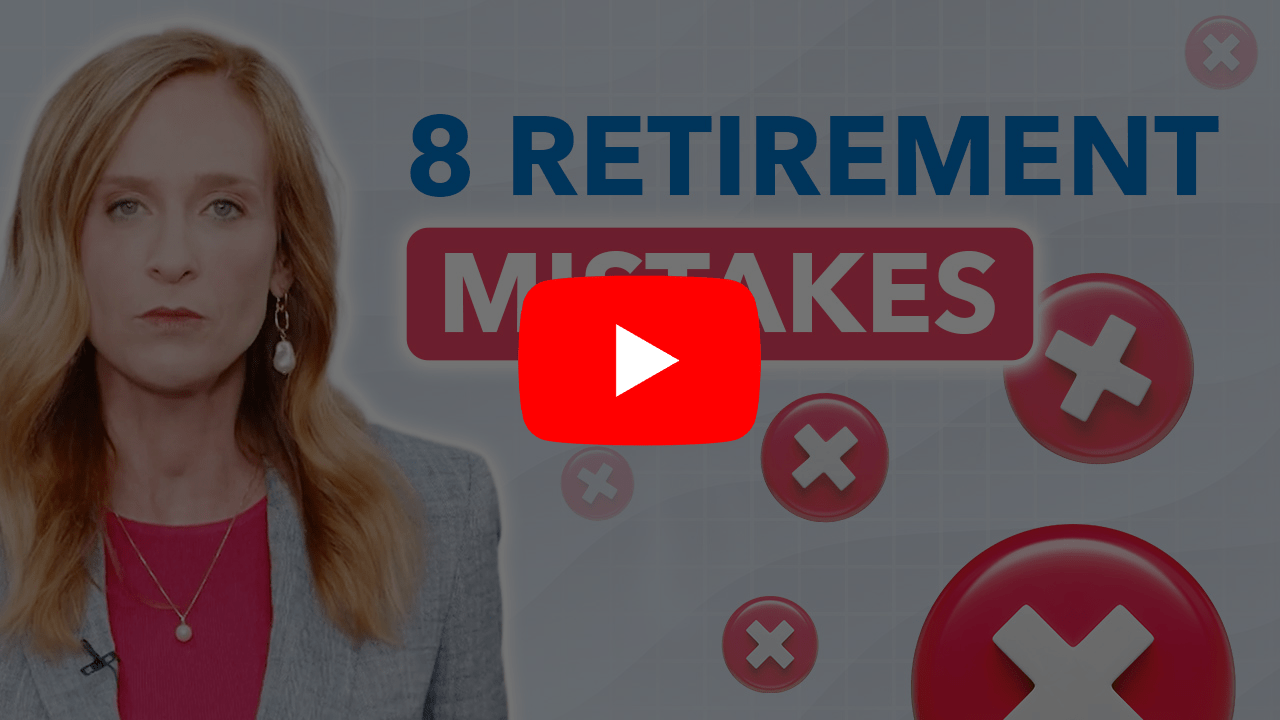
Here are eight common challenges that can affect retirement savings—and why planning ahead may help you prepare for them.
1. Spending More Than Expected Early in Retirement
Many retirees enter what is often called the “go-go years” of retirement. Travel, hobbies, home improvement projects and spending time with family can all increase expenses during the first several years after leaving work.
Enjoying those years isn’t necessarily the problem. The key is understanding what that lifestyle may cost over time.
Loren explains, “We need to have a real clear picture of what it’s going to take for you to live the lifestyle that you want to in retirement.”
Creating a retirement spending plan isn’t about limiting the experiences you enjoy. Instead, it can help you understand how your desired lifestyle fits within your overall retirement income strategy and long-term financial picture.
2. Underestimating Health Care Costs
Health care is one of the largest expenses many retirees face, yet it is often underestimated.
Many people don’t become familiar with Medicare until they approach age 65, making it challenging to understand what it covers, what it doesn’t cover and how supplemental coverage may fit into an overall retirement strategy. Long-term care can add another layer of uncertainty.
According to Fidelity’s 2025 Retiree Health Care Cost Estimate, a 65-year-old may need approximately $172,500 in after-tax savings to cover health care expenses throughout retirement. That estimate does not include the potential cost of long-term care.
As Loren notes, “There is a whole room of blind spots that could creep up to really derail people from a health care cost standpoint.”
Planning for routine medical expenses and considering the potential impact of long-term care may help retirees prepare for expenses that could arise later in retirement.
3. Living Longer Than Expected
One of retirement’s greatest success stories can also present a financial challenge.
People are living longer than previous generations, which means retirement savings may need to support 25, 30 or even 35 years of retirement.
Planning for a longer retirement involves more than covering everyday living expenses. Health care costs may increase over time, and spending needs often change throughout different phases of retirement.
As Clint Huntrods, PhD, Certified Financial Fiduciary®, explains, “We want to make sure all of that is accounted for so you can get the most out of your go-go, your slow-go, and your no-go years in retirement.”
When helping families and individuals plan for retirement, these three phases often become part of the conversation.
The go-go years are typically the early years of retirement, when energy and enthusiasm are high. Many retirees spend more on travel, hobbies, and experiences they’ve been looking forward to for years.
The slow-go years often come next. As travel goals are accomplished and lifestyles naturally begin to slow down, spending may shift and, for some, even decrease.
Finally, the no-go years can bring new priorities. As health needs increase for some retirees, spending may shift away from discretionary activities and toward health care and long-term care expenses. Planning for each phase can help create a retirement strategy that evolves alongside changing needs.
4. Overlooking the Long-Term Impact of Inflation
Inflation doesn’t usually happen all at once. Instead, it gradually reduces purchasing power over time.
For example, a couple entering retirement with monthly expenses of $5,000 could need approximately $9,000 per month after 20 years, assuming annual inflation averages 3%, simply to maintain a similar lifestyle.
Health care expenses may increase faster than general inflation, making ongoing planning an important consideration.
Rather than assuming expenses will remain the same throughout retirement, it may be helpful to evaluate how inflation could affect spending over the long term.
5. Keeping the Same Investment Strategy Throughout Retirement
The investment strategy that helped build retirement savings during working years isn’t always the same strategy that may be appropriate after retirement begins.
While working, market declines may create opportunities to purchase investments through ongoing contributions. During retirement, however, withdrawals combined with market declines may have a different impact on a portfolio.
Regularly reviewing your investment strategy and evaluating whether it continues to align with your retirement income needs, risk tolerance and long-term objectives may be an important part of maintaining your retirement plan.
6. Retiring During a Volatile Market
Few people retire because the market reaches an ideal level. Most retire when they’re personally ready.
That makes market volatility around retirement an important planning consideration.
Rather than trying to predict market movements, many retirees may benefit from developing an investment strategy that reflects their retirement income needs, anticipated spending and overall timeline.
As Clint points out, while investors can’t control the market itself, “you can control the way that your portfolio’s going to respond when the market does what it’s going to do.”
7. Overlooking Tax Planning
Taxes don’t end when retirement begins.
For retirees with significant savings in traditional IRAs or other pre-tax retirement accounts, future withdrawals may create taxable income throughout retirement.
Clint encourages retirees to consider whether they have tax diversification across pre-tax, Roth and taxable accounts. Having multiple types of accounts may create additional flexibility when managing taxable income over time.
Beginning tax planning before required minimum distributions begin may also provide additional planning opportunities later in retirement. Individuals should consult with a qualified tax professional regarding their specific tax situation.
8. Retiring Without a Comprehensive Plan
Perhaps one of the greatest retirement challenges isn’t a single expense or market event—it’s trying to make important financial decisions without a comprehensive retirement plan.
Without a coordinated strategy, questions may remain unanswered:
- How much can you reasonably spend throughout retirement?
- Which accounts may be appropriate to withdraw from first?
- How could taxes affect retirement income?
- Should your investment strategy change over time?
- How might increased health care costs affect your long-term plan?
As Loren says, “This should be an exciting time for you.”
A written retirement plan can help bring together lifestyle goals, retirement income, investments, taxes, health care and legacy planning into one coordinated strategy, providing greater clarity as you evaluate your retirement options.
Retirement Involves More Than Investment Decisions
Retirement is about more than managing a portfolio.
Spending, longevity, inflation, taxes, health care and investment decisions all interact throughout retirement. Looking at each area individually may overlook how one decision can influence another.
Understanding these eight common retirement challenges may help you ask informed questions, evaluate your options and have more productive conversations as you prepare for retirement.
Every retirement journey is different. Taking time to understand the factors that may influence your financial future can help you make thoughtful decisions that align with your personal goals, circumstances, and retirement vision.
Watch the full episode on YouTube and learn more about eight common challenges that can affect retirement savings.
Source: “Fidelity Investments® Releases 2025 Retiree Health Care Cost Estimate, a Timely Reminder for All Generations to Begin Planning” (30 July 2025) Fidelity.com