Can You Retire Earlier Than Expected?

In this episode of Retiring Today with Loren Merkle we cover important strategies to help you plan for the possibility of an extended retirement, emphasizing the need to anticipate a longer lifespan than previous generations. 

–––––––––––––––––––––––––––––––––––––––––––––––––––––––––––––––––––––––––––––––––––––––––––––

Recent data from the Social Security Administration highlights that men and women reaching the age of 65 today can expect to live to about 84 and 86.5 years old, respectively. Furthermore, one in three people turning 65 today will live to see their 90th birthday, with one in seven reaching age 95. 

Retirement Planners Chawn Honkomp and Loren Merkle stress that the possibility of longevity increases the necessity for long-term planning and the importance of preparing financially until age 100 to ensure adequate coverage for health care and other retirement expenses. 

There are significant concerns that must be addressed regarding longevity planning.  

1) Addressing the Fear of Running Out of Money:

Many pre-retirees worry about outliving their savings. Developing a retirement income plan can help ease these concerns.   

2) Special Considerations for Women:

Due to higher life expectancies, women need to be particularly diligent about planning for longevity. Couples often tell us, “I just want to make sure my spouse is taken care of when I’m gone.”   

3) Planning Horizons:

Our comprehensive planning process aims to account for a lifespan up to age 100 to provide you with the utmost financial confidence. This conservative approach helps ensure that your assets can support you throughout your retirement, regardless of how long it lasts.  

This includes mapping out spending for various phases of retirement: the go-go years (active with fulfilling experiences like travel and hobbies), the slow-go years, and the no-go years (when health care costs can be highest). 

4) Managing Inflation:

Inflation is a persistent concern, especially given recent economic fluctuations. Addressing this within a retirement plan involves multiple strategies, such as social security optimization, building a recession-resistant portfolio, and implementing tax-efficient strategies. 

5) Health Care Planning:

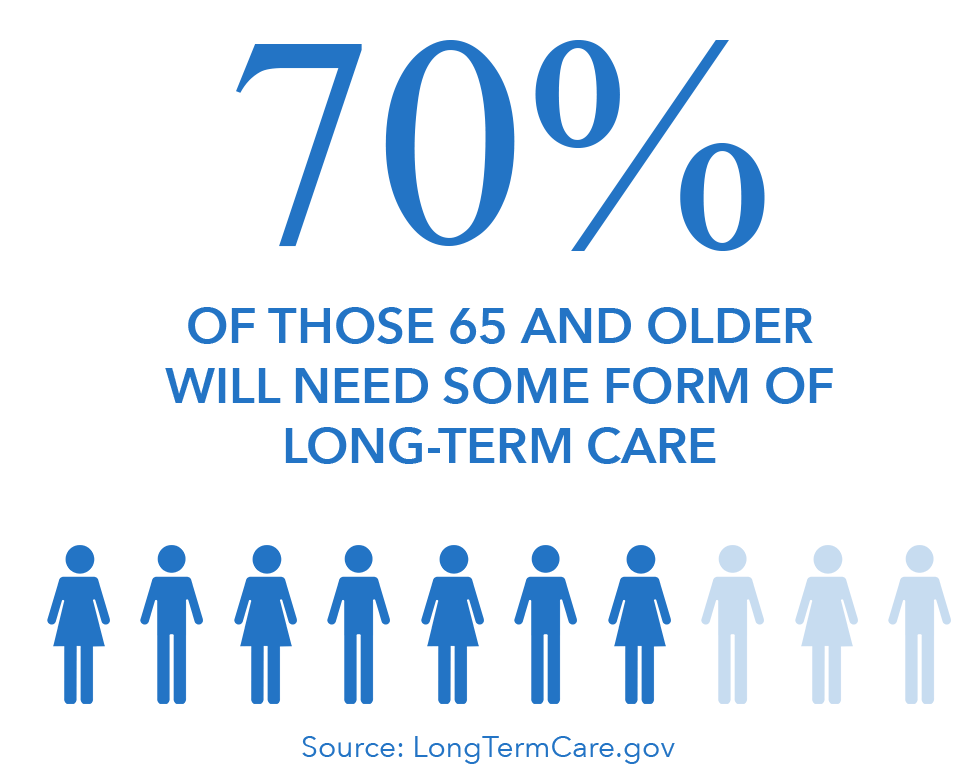
Health care, particularly long-term care, is another crucial factor. Statistics show that about 70% of those turning 65 today will need some form of long-term care. Accounting for these potential expenses early on can protect against significant financial strain later. 
Long-term care costs vary greatly depending on the type of care and location. Genworth Financial has been conducting a cost of care survey since 2004. The latest data gathered from 383 cities and towns in 50 states found the following median U.S. costs: 

  • In-home health aide: $6,483 a month
  • Assisted living community: $5,900 a month
  • Nursing home private room: $10,646 a month

Conclusion

In conclusion, planning for a longer retirement requires a blend of foresight, adaptability, and long-term thinking. By addressing all potential aspects from lifestyle to legacy, and incorporating inflation and health care considerations, retirees can pave a path to a secure and fulfilling retirement. It’s not too early to start considering these important strategies for your future. 

Click here to watch the full episode “Can You Retire Earlier Than Expected?” on YouTube!

Source: SSA.gov, LTC.gov, CareScout.com

FOLLOW US ON SOCIAL

Visual-Insights-Newsletter-Ad_v2

Sign-up for our Visual Insights Newsletter for the latest retirement information and strategies – straight to your inbox.

  • This field is for validation purposes and should be left unchanged.

Discover more strategies you could be missing out on
Two women standing in between the phrase, "The Loneliness Factor".

The Hidden Crisis Facing Pre-Retirees

Loneliness is rising among adults over 45, and it can have a powerful impact on health, happiness, and fulfillment in retirement. Here’s what recent research reveals—and how thoughtful retirement planning could help protect connection and purpose in the years ahead. Loneliness Is Rising—And Often Unspoken A recent AARP study found that 40% of adults age 45+ meet the criteria for loneliness. That’s up from 35%…

Read More...

Do Roth Conversions Still Make Sense in 2026?

A Roth conversion can reshape your retirement tax strategy. This blog covers how it works, when it makes sense, and what to consider before making this decision. What Is a Roth Conversion? The basic idea behind a Roth conversion is simple: pay taxes now in exchange for tax-free growth later.  As Retirement Planner Loren Merkle explained, “What a Roth…

Read More...
Man standing next to text that says, "Hint: It's Not Your 401(k)

What is a Retirement Plan? Hint: It’s Not Your 401(k)

Many people assume their retirement savings tell them everything they need to know about the future. This article explores why a 401(k) is only one piece of the puzzle and what a true written retirement plan includes, from income and taxes to health care and legacy planning.  The 401(k) Balance For many people approaching retirement,…

Read More...
Man standing next to a chart and text that reads, "Stress Testing".

Retirement Road Test: $1 Million Portfolio

A common saying is you need a million dollars for retirement, but what does that actually mean for you? In this blog, you’ll meet Tom and Sandi. They have $1 million saved for retirement at age 65, and in the first iteration of their retirement road test, that money was projected to run out by age 79. Rather than…

Read More...
Man smiling standing next to the words "Retiremenet Taxes Explained"

Confused About Retirement Taxes? You Are Not Alone

Retirement taxes can feel overwhelming, especially when income starts coming from multiple sources. This blog walks through how different retirement accounts are taxed, why those taxes can matter more once paychecks stop, and how thoughtful planning can help retirees keep more of what they’ve saved. The Tax Reality of Retirement Taxes don’t disappear when work ends—they can become more complicated. In retirement,…

Read More...

Will $1 Million Last? Stress Testing Retirement Spending 

This blog explores how long $1 million might last in retirement under different spending scenarios, and why assumptions around lifestyle, inflation, taxes, and market volatility matter more than the headline number. A Question Nearly Everyone Asks  One of the most common retirement questions sounds simple: If I have $1 million, how long will it last? But as Retirement…

Read More...

Ready to take your retirement to the next level?

Let's chat! Schedule a RetireReady Call to talk with a retirement planner about your retirement vision.

Ready to take your retirement to the next level?

Let's chat! Schedule a RetireReady Call to talk with a retirement planner about your retirement vision.

Call Now Button