Retirement Planner Loren Merkle, and Director of Medicare & Long-Term Care AnnaMarie Morrow walk through the Retirement Readiness Checklist, breaking retirement planning into nine practical areas to help you discover where to start and what to tackle next.

Get Clear on Your Retirement Vision
For many households, Social Security isn’t a side dish—it’s the main course. Chawn explains that for many people, it “can represent anywhere from 25% to 35% of their income during retirement.” That’s why, as he puts it, “It is an important decision. You want to feel really confident about it, because anytime you have guaranteed income, that’s part of your retirement plan.”
Your benefit is based on your work history. Chawn explains, “The benefit is calculated based on 35 years of working and earnings history. So the Social Security Administration is going to look at your top 35 years of your earnings history, and that shows up on your statement.” Those earnings are what drive the benefit amount you see projected.
Loren has seen what happens when those records are incorrect. He says, “We have seen, over the last number of years, a lot of mistakes on that statement. Never once have we seen a mistake that actually worked in somebody’s favor.” Instead of $50,000 of income showing up in the calculation, a zero might appear in one of those top 35 years—and that lower number may follow you into retirement.
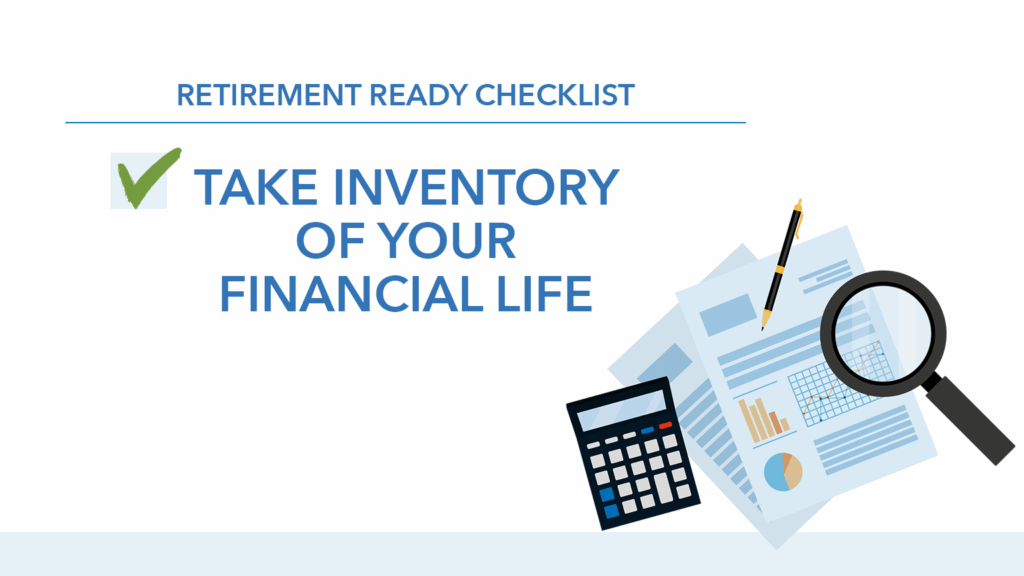
Take Inventory of Your Financial Life
Loren puts it simply: “After you work 30 to 40 years, you can collect some different financial assets.” Then reality hits: old plans, scattered statements, and accounts you meant to consolidate years ago: “If you have maybe multiple 401(k) plans with old employers along the way, it’s nice to collect those statements.”
The goal isn’t just creating a pile of documents. It’s clarity, and eventually simplicity. Loren notes that people often want retirement to feel lighter: “one of the things that many people appreciate as they go into retirement is making things simpler, making things easier, which could involve some consolidation.”
Practical takeaway: Make a single list of accounts, approximate balances, and beneficiaries. Add debts too, especially anything high-interest, so your retirement budget isn’t built on guesswork.
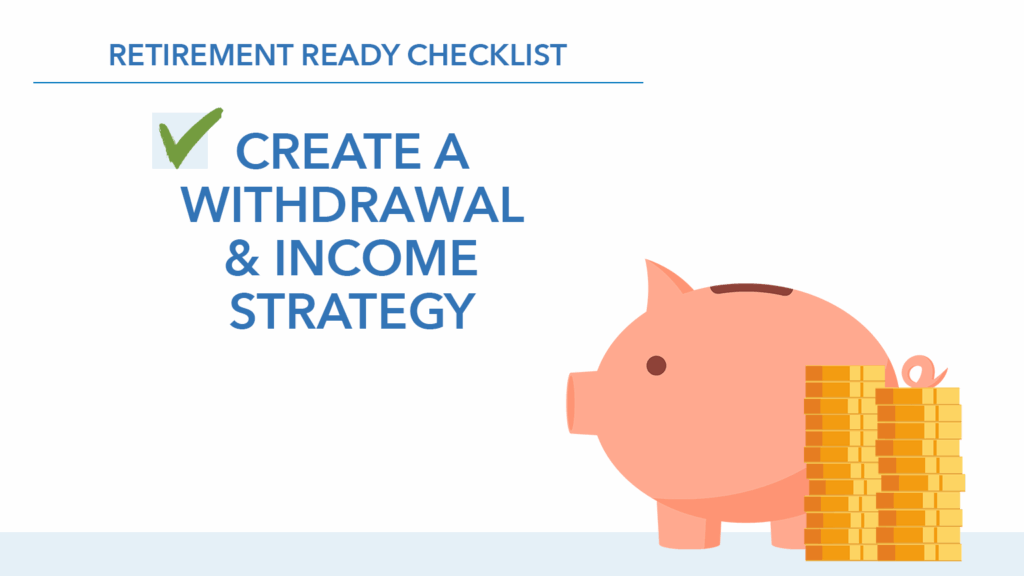
Create a Withdrawal & Income Strategy
Once you know what you have, the next question is how you’ll use it month after month, year after year. AnnaMarie describes how most plans involve multiple “buckets of money,” including “guaranteed sources like Social Security, a pension,” plus “taking distributions out of the various assets that you’ve accumulated during your working years.”
Loren adds that income planning gets highly detailed when it’s time to turn it on: “Do you take income once a month? Do you take it twice a month? What day of the month? How do you withhold taxes? Do you need to withhold taxes?”
Practical takeaway: An income strategy goes beyond ‘how much can I take?’ It also includes where to take money from first, how taxes change the result, and how you adjust when life changes.
Plan for Health Care Costs
Health care planning overlaps with income planning more than most people expect. AnnaMarie explains why: “if you are retiring under the age of 65, what you pay for a premium on the marketplace, for example, is dictated by your income in that year you need coverage.” And Medicare planning isn’t static either: “every year they do a two year look back on what your modified adjusted gross was.”
Long-term care is part of this checklist item because ignoring it doesn’t make the risk disappear. Loren cites the statistic directly: “the studies say there’s a 70% chance of needing long-term care once you reach the age of 65.”
Practical takeaway: Build health care costs into the plan early, especially if you’re retiring before 65, so you can plan ahead and avoid unexpected costs that may affect your income strategy.
Review Your Investments
This checklist item is less about chasing returns and more about understanding risk in the season you’re entering. Loren explains why people get caught off guard: “It’s so easy for people to become complacent when the market is doing really well… But inevitably we know we’re going to go through bad times.”
He puts a number on that reality: “On average, we go through recessions about every five years.” Then he asks the question retirees actually live with: “how much does it (your retirement portfolio) go down and are you comfortable with that movement and is it going to severely disrupt your retirement income?”
Practical takeaway: Before retirement, test how your plan could be impacted by a market downturn. Consider adjusting your investment strategy to provide the income you’ll need, not just the growth you want.
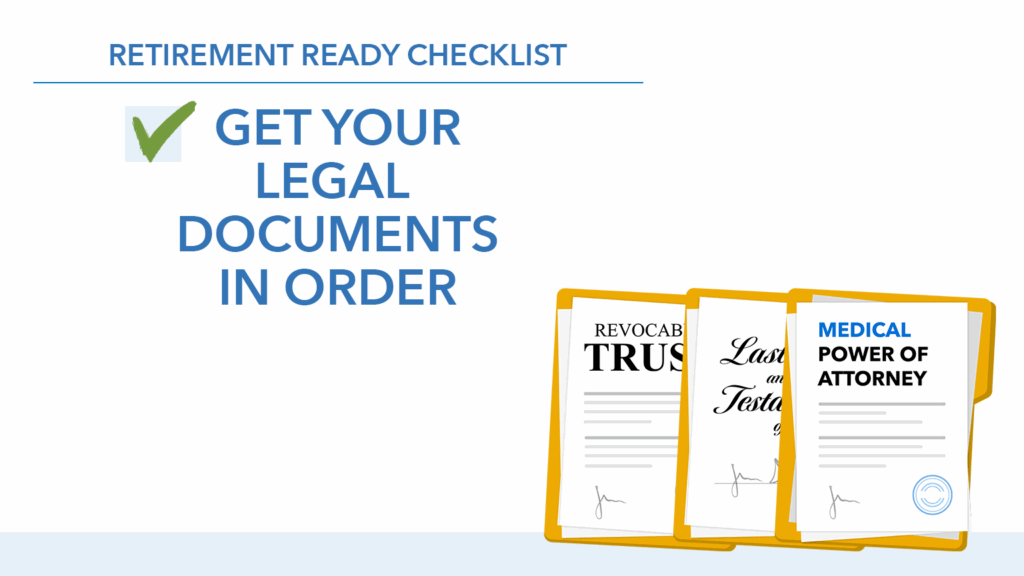
Get Your Legal Docs in Order
This is the checklist item people sometimes postpone—until it becomes urgent. Loren lists the common issues: outdated wills, trusts that need to reflect legislative changes, and beneficiary designations that need to be updated.
Practical takeaway: Legal documents aren’t just paperwork—they’re instructions. Make sure the right people can find them, and make sure beneficiaries match your intent.
Test-Drive Your Retirement Budget
Practice retirement spending before retirement arrives, because reality can feel different than what you expect. AnnaMarie shares what she hears after people try it: “the feedback is: well, that was interesting.” Often because, “it’s not exactly what they thought it would be.”
Loren recommends widening the lens: “look at all the different ways that you spent your money over the last 12 months.” Why? “More times than not people do have a surprise based on those results.”
Practical takeaway: Don’t just test “monthly bills.” Include irregular costs such as repairs, travel, gifting, and health care, so your plan better reflects the lifestyle you envision.
Prepare Emotionally & Socially
Retirement planning isn’t only financial. It’s identity, routine, and purpose. AnnaMarie shares a quote that reframes the whole conversation: “it’s not retiring from something but retiring into something.”
Practical takeaway: Build your “retirement life” before you leave work including interests, friendships, and finding purpose so the transition feels like a beginning, not a loss.
Get tax ready
Loren explains why retirees feel the squeeze: “most of people’s retirement income is subject to tax,” but he adds the key point: “that doesn’t mean there’s not something you can do about it today.” He also notes the advantage of time: “the more time you have on your side to implement these (tax) strategies…the more effective your tax planning can be.”
Practical takeaway: Taxes aren’t a once-a-year task in retirement; they’re a long-term plan tied to withdrawals, Social Security timing, and strategies like Roth conversions.
conclusion
The Retirement Readiness Checklist is designed to replace “I know I should do something” with a clearer path forward. As Loren says, “this transition to retirement for many people is a redefining moment in their life,” and the checklist is meant to help make that moment feel more intentional, and you feel more confident.
Watch the full episode on YouTube and learn more about the Retirement Readiness Checklist.