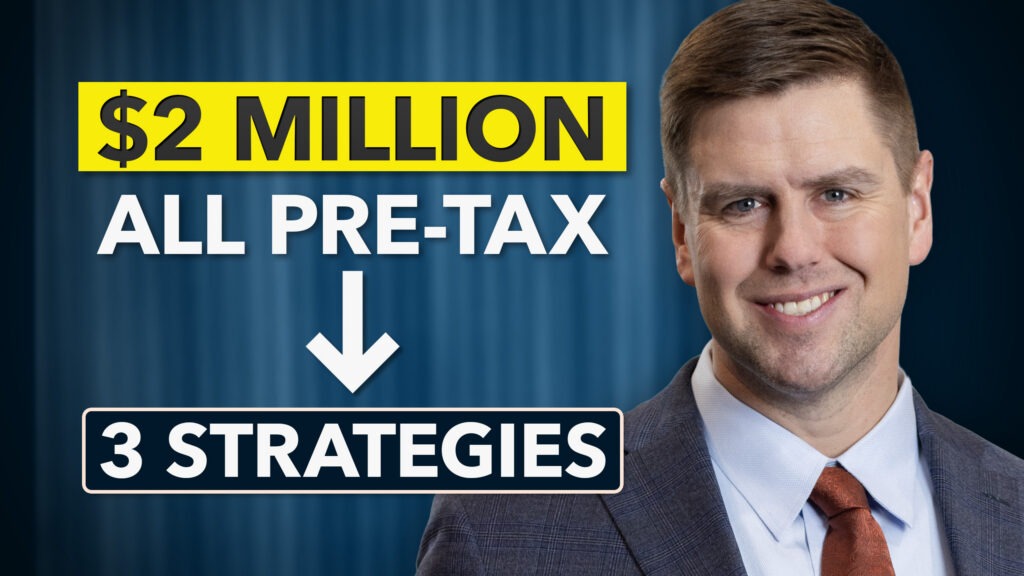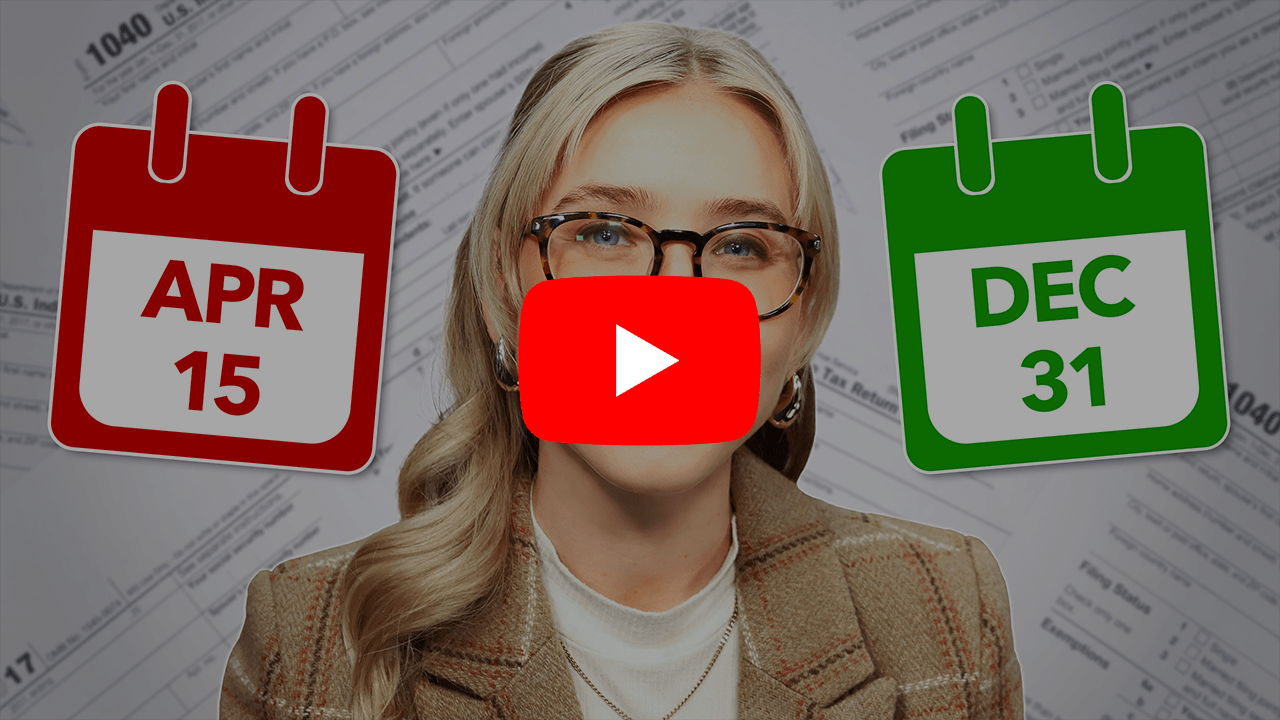
Year-End Tax Planning | 5 Strategies to Boost Your Retirement Income

As retirement approaches, it’s essential to rethink your strategy for handling your Individual Retirement Account (IRA). With a focus on maximizing benefits and minimizing taxes, this blog will help you navigate the complexities of IRAs, understand their evolution, and leverage effective strategies like Roth conversions and Qualified Charitable Distributions (QCDs). We discuss important IRA rules and strategies that could help you make the most of your IRA as you near retirement.

–––––––––––––––––––––––––––––––––––––––––––––––––––––––––––––––––––––––––––––––––––––––––––––

Rethinking Your IRA

The Evolution of IRAs

IRAs have been a staple of retirement planning since their introduction in 1974. At first, they were only available at banks, and only workers without access to a pension could contribute.  

In 1974, the contribution limit per year was $1,500. From 1982 through 2001, that amount remained unchanged. Legislation passed in 2001 that indexed the contribution limit for inflation, starting the following year. The contribution limit has climbed to $7,000 for those under age 50 for 2025 and $8,000 for those age 50 or older.

Understanding IRA Taxes

One often overlooked aspect of a pre-tax or traditional IRA is that they include a future tax liability. Think of it as a deal you made with the IRS: you were able to deduct the contributions from taxable income in the year they were made, but when you start taking distributions from the account, you must pay that tax bill – on both the contributions and the growth.

Roth Conversions: A Tax-Efficient Strategy

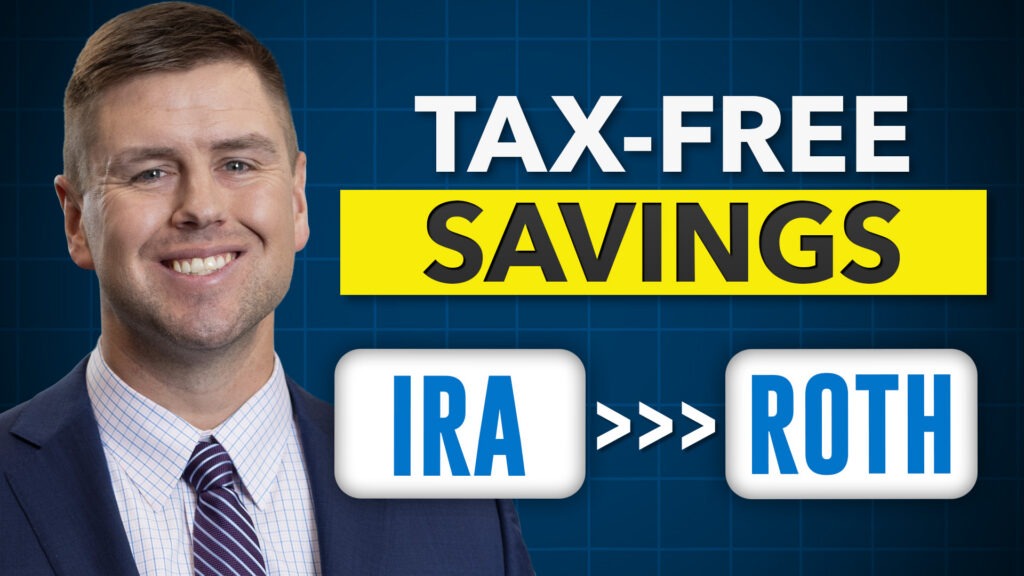
A Roth conversion involves transferring pre-tax IRA funds into a Roth IRA. Although you pay taxes on the converted amount in the year of the conversion, the funds then grow tax-free and qualified distributions can be taken tax-free in retirement. 

For some, a long-term tax strategy, such as converting to a Roth IRA, can drastically reduce your retirement tax bill.

Qualified Charitable Distributions (QCDs)

For those aged 70½ or older, Qualified Charitable Distributions (QCDs) can be used to reduce taxable income while supporting charitable causes. Essentially, a QCD allows you to transfer funds directly from your IRA to a qualified charity without paying taxes on the distributed amount. 

This can also fulfill all or part of your Required Minimum Distribution (RMD). By integrating QCDs into your strategy, you can reduce your taxable income and meet charitable goals simultaneously. 

The annual QCD limit is $108,000 in 2025.

Building a Recession-Resistant Portfolio

Sequence of returns risk is a significant concern for pre-retirees who will soon depend on their retirement savings for income. 

Market downturns early in retirement can negatively impact your portfolio. In this episode, Loren discusses the importance of building a recession-resistant portfolio to protect your retirement savings from market swings.

The Comprehensive Retirement Plan

Retirement isn’t just about managing IRAs and minimizing taxes. A comprehensive plan should include six essential pillars of retirement: lifestyle, income, taxes, investments, health care, and legacy. Your journey to retirement should include a well-rounded approach.

Click here to watch the full episode “5 Strategies for Year-End Tax Planning” on YouTube!

Source: Investopedia.com
FOLLOW US ON SOCIAL

Visual-Insights-Newsletter-Ad_v2

Sign-up for our Visual Insights Newsletter for the latest retirement information and strategies – straight to your inbox.

  • This field is for validation purposes and should be left unchanged.

Discover more strategies you could be missing out on
Two women standing in between the phrase, "The Loneliness Factor".

The Hidden Crisis Facing Pre-Retirees

Loneliness is rising among adults over 45, and it can have a powerful impact on health, happiness, and fulfillment in retirement. Here’s what recent research reveals—and how thoughtful retirement planning could help protect connection and purpose in the years ahead. Loneliness Is Rising—And Often Unspoken A recent AARP study found that 40% of adults age 45+ meet the criteria for loneliness. That’s up from 35%…

Read More...

Do Roth Conversions Still Make Sense in 2026?

A Roth conversion can reshape your retirement tax strategy. This blog covers how it works, when it makes sense, and what to consider before making this decision. What Is a Roth Conversion? The basic idea behind a Roth conversion is simple: pay taxes now in exchange for tax-free growth later.  As Retirement Planner Loren Merkle explained, “What a Roth…

Read More...
Man standing next to text that says, "Hint: It's Not Your 401(k)

What is a Retirement Plan? Hint: It’s Not Your 401(k)

Many people assume their retirement savings tell them everything they need to know about the future. This article explores why a 401(k) is only one piece of the puzzle and what a true written retirement plan includes, from income and taxes to health care and legacy planning.  The 401(k) Balance For many people approaching retirement,…

Read More...
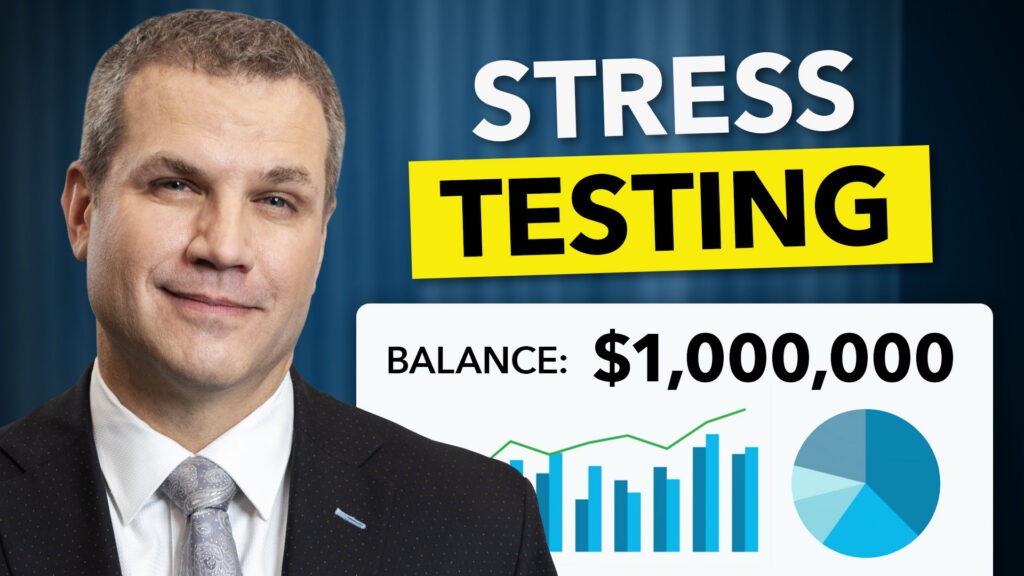
Man standing next to a chart and text that reads, "Stress Testing".

Retirement Road Test: $1 Million Portfolio

A common saying is you need a million dollars for retirement, but what does that actually mean for you? In this blog, you’ll meet Tom and Sandi. They have $1 million saved for retirement at age 65, and in the first iteration of their retirement road test, that money was projected to run out by age 79. Rather than…

Read More...
Man smiling standing next to the words "Retiremenet Taxes Explained"

Confused About Retirement Taxes? You Are Not Alone

Retirement taxes can feel overwhelming, especially when income starts coming from multiple sources. This blog walks through how different retirement accounts are taxed, why those taxes can matter more once paychecks stop, and how thoughtful planning can help retirees keep more of what they’ve saved. The Tax Reality of Retirement Taxes don’t disappear when work ends—they can become more complicated. In retirement,…

Read More...

Will $1 Million Last? Stress Testing Retirement Spending 

This blog explores how long $1 million might last in retirement under different spending scenarios, and why assumptions around lifestyle, inflation, taxes, and market volatility matter more than the headline number. A Question Nearly Everyone Asks  One of the most common retirement questions sounds simple: If I have $1 million, how long will it last? But as Retirement…

Read More...

Ready to take your retirement to the next level?

Let's chat! Schedule a RetireReady Call to talk with a retirement planner about your retirement vision.

Ready to take your retirement to the next level?

Let's chat! Schedule a RetireReady Call to talk with a retirement planner about your retirement vision.

Call Now Button