Retirement can feel like a finish line, but for many people, it’s really a series of decisions.
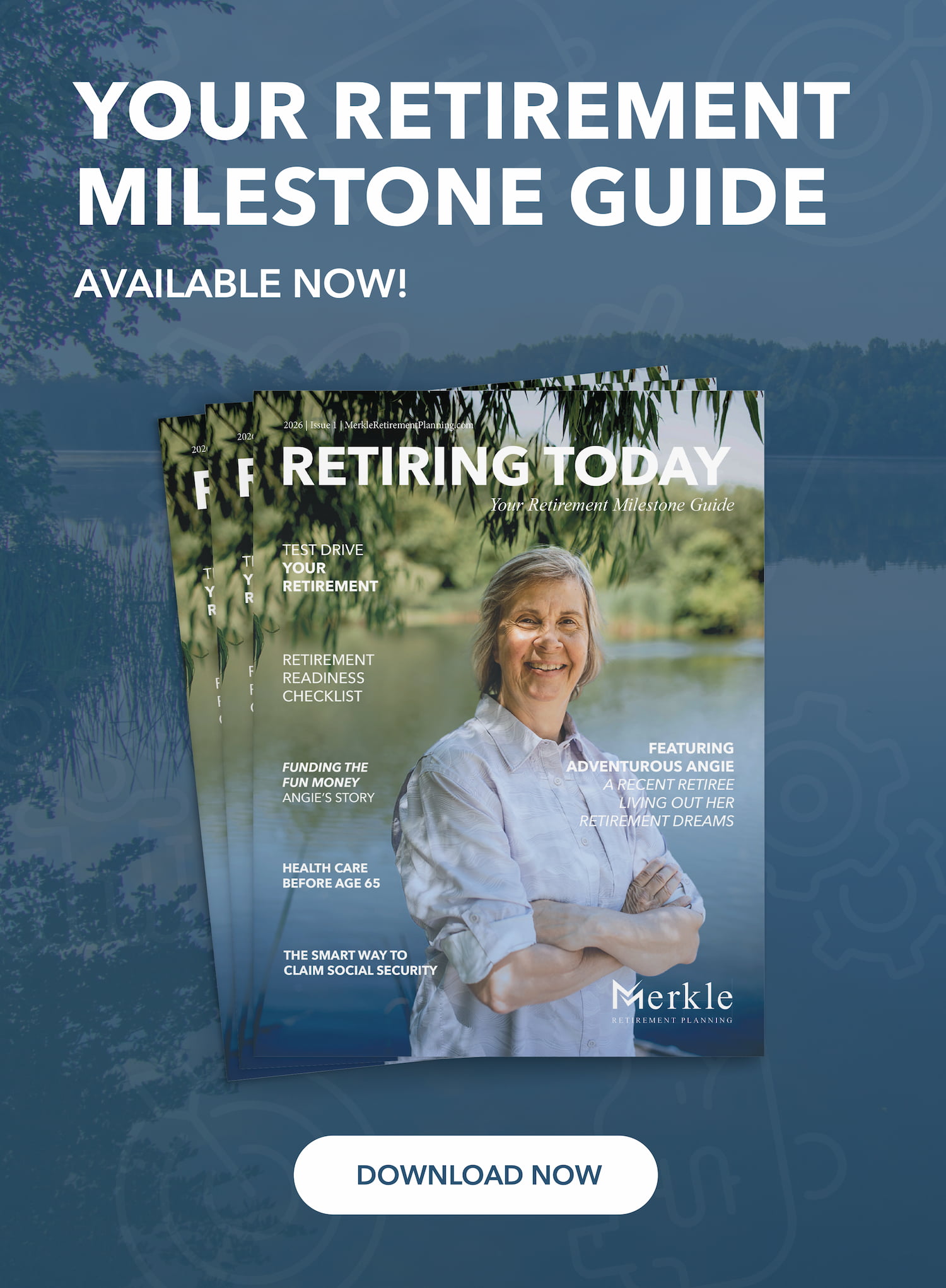
For Angie, retirement had always seemed tied to age 65. Like many workers, she assumed she would continue working until she became eligible for Medicare. Yet after nearly five decades with the same employer, she began wondering whether retirement might be possible sooner.
The challenge wasn’t a lack of desire. She was ready for retirement emotionally. What she lacked was confidence in the financial decisions that would determine whether retirement could actually work.
By working through several key retirement decisions, Angie discovered she could retire at age 64 instead of waiting until 65. Today, she’s spending her time traveling, attending events, learning new activities, and checking items off multiple retirement bucket lists.
Here’s a look at the decisions that helped make that possible.
Decision #1: Stop Assuming Age 65 Is the Only Retirement Date
Many people automatically connect retirement with Medicare eligibility. Retirement Planner Loren Merkle says it’s one of the most common assumptions he hears.
“It’s not uncommon, just like Angie, to say, ‘I want to retire at age 65.’ And a lot of people relate the retirement age with age of eligibility for Medicare, age 65.”
While Medicare eligibility begins at age 65, retirement doesn’t have to.
Once Angie evaluated her overall financial picture, she realized retirement wasn’t necessarily tied to a specific birthday. Instead, it depended on whether she had a strategy for income, health care, taxes, and the lifestyle she wanted to live.
That realization opened the door to retiring a year earlier than she originally planned.
Decision #2: Get Answers to the Questions Keeping You Up at Night

Like many future retirees, Angie had plenty of questions.
She wasn’t sure whether she had enough money saved. She wasn’t sure how health care would work. She wasn’t sure whether she was making the right decisions with her retirement accounts.
As she explained:
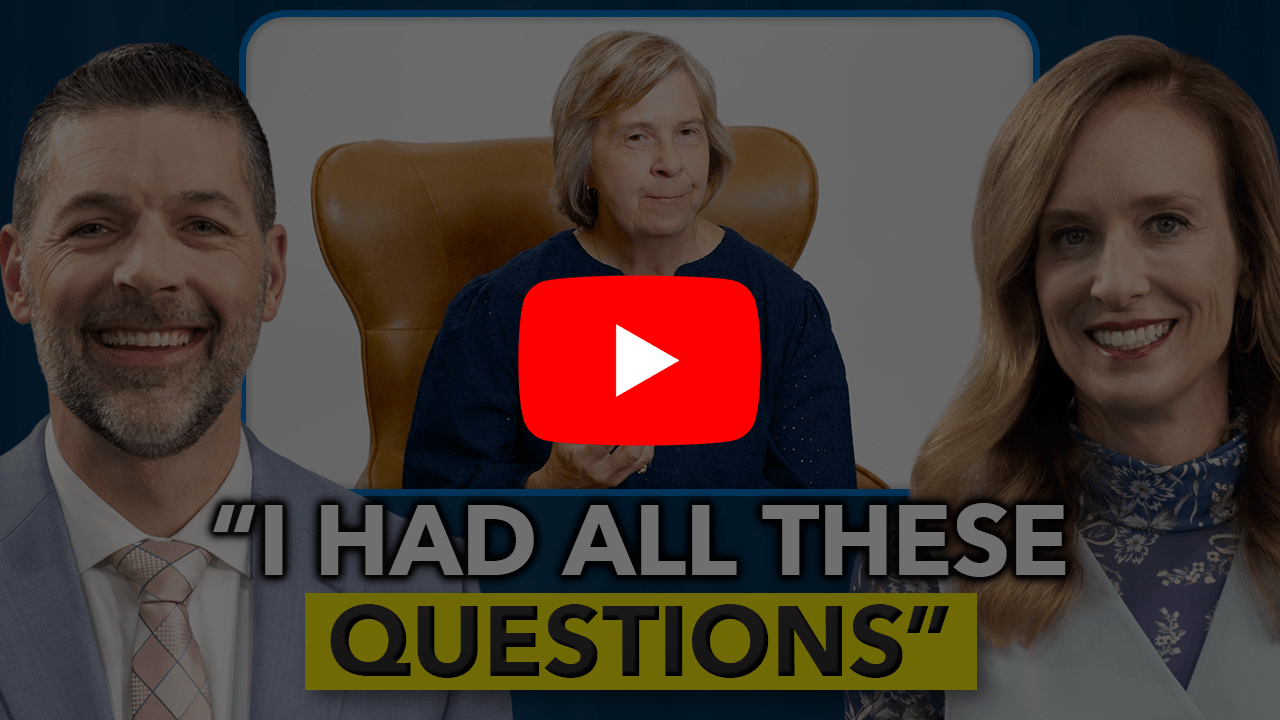
“I have all these questions. I need all these answers. And so once I get them, I think I’m on the retirement road.”
Loren sees this frequently.
“A lot of people in Angie’s situation have more questions than answers.”
Retirement introduces a completely new phase of life. People who have spent decades working and saving suddenly face decisions about income, taxes, Social Security, investments, health care, and spending. It’s understandable that uncertainty creates anxiety.
For Angie, gaining clarity around those decisions became the first step toward confidence.
Decision #3: Understand the Real Cost of Health Care Before Medicare
Health care was one of Angie’s biggest concerns.
She knew she wanted to retire, but she worried about how she would bridge the gap between retirement and Medicare eligibility.
Many people assume health care costs will make early retirement impossible. Instead of relying on assumptions, Angie reviewed the available options and looked at actual numbers.
The results surprised her.
“Boy, was I surprised that I could actually afford the medical plan before I turned 65 and had to go to Medicare.”
Health care planning is often one of the most important pieces of an early retirement strategy. Depending on income, health needs, and available coverage options, the cost can look very different than many people expect.
For Angie, understanding those costs helped remove one of the biggest obstacles standing between her and retirement.
Decision #4: Build an Income Plan Around the Life You Want
Knowing how much you’ve saved is important.
Knowing how that money will support your lifestyle may be even more important.
When Angie began evaluating retirement, one of her biggest concerns was whether she could continue living the way she wanted while also enjoying retirement.
Retirement Planner Chawn Honkomp explained that, “She wanted to feel confident that she could maintain that lifestyle.”
The plan wasn’t built around simply covering expenses. It also accounted for the experiences Angie wanted to have in retirement, including an additional $500 per month for what Chawn called her “fun bucket.”
By looking at her savings, spending needs, and future income sources together, Angie could finally see what retirement looked like over the next 20 to 30 years.
That picture gave her confidence that her retirement plan was designed to support the lifestyle she envisioned.
Decision #5: Define What Retirement Is Actually For

One of the most interesting parts of Angie’s story is that she doesn’t have a single bucket list.
She has bucket lists.
Some are adventurous. Some are practical.
She wants to take a hot air balloon ride. She wanted to spend multiple days exploring the Iowa State Fair. She wanted to learn pickleball. She wanted time to tackle projects around her home and organize her she-shed.
Those goals may seem simple, but they reveal an important truth about retirement planning.
The purpose of retirement planning isn’t simply to stop working. It’s to create the freedom to spend your time doing the things that matter most to you.
As Loren explained, “She built the plan so she could do all the things that she just talked about.”
Today, Angie is living out many of those goals. She has traveled, explored new activities, and embraced the opportunities that retirement has given her.
Decision #6: Build a Team to Help You Navigate Retirement
Retirement planning isn’t just about investments.
It often involves health care decisions, tax planning, income planning, legacy planning, and countless other financial choices.
Reflecting on her experience, Angie appreciated having specialists who could help in each area.
“I needed a health plan. They helped with that. I needed a tax plan. They helped with that. And of course, the financial plan, they helped with that.”
Retirement is complex because decisions in one area often affect another. A health care decision may affect taxes. An income decision may affect investments. A legacy goal may influence spending choices.
Having a coordinated strategy can help ensure those decisions work together rather than against each other.
Confidence Changed Everything
After 47 years with the same company, deciding to retire was not easy.
There was excitement about the future, but there was also uncertainty about leaving behind a career and routine that had defined much of her life.
What ultimately changed things wasn’t a single investment strategy or a magic number in a retirement account.
What ultimately changed things wasn’t a single investment strategy or a magic number in a retirement account.
It was the confidence that came from making informed decisions.
She understood her health care options. She saw how her income plan could support her lifestyle. She had answers to her questions and a clear picture of what retirement could look like.
As Loren put it, “She knew without uncertainty that she was ready.”
And because of those decisions, Angie was able to retire earlier than she thought—and start living the retirement she had been imagining for years.
Watch the full episode on YouTube and learn more about how key retirement decisions helped Angie retire earlier than she thought possible.
—
The testimonial shared in this blog is provided by a current client, who did not receive compensation for their experience with Merkle Retirement Planning. This testimonial does not present conflicts of interest due to the relationships or services offered. This published testimonial is representative of this individual’s experience only.