Retirement often brings a welcome reduction in taxes, at least initially. But for many retirees, Required Minimum Distributions, tax-deferred retirement accounts, and changing tax laws can eventually cause tax bills to rise again. This article explores why that happens and how tax diversification may help create more control and flexibility throughout retirement.
Retirement Doesn’t Automatically Mean Lower Taxes Forever
For many people, one of the unexpected perks of retirement is a lower tax bill.
The paychecks stop, taxable income drops, and after years of working and saving, it can feel like a financial reward. But what many retirees don’t realize is that this lower-tax period may only be temporary.
As Loren Merkle, CFP®, RICP®, Certified Financial Fiduciary®, explained, many retirees enjoy a brief window where taxes are lower before other factors begin pushing their tax bill higher.
“There is a moment, at least a couple years for many people where they’re really excited,” Loren said. “They’re probably high-fiving their CPA like, ‘Yes, we finally did it. We got to a respectable tax bracket.'” But, he added, “then time goes on, and for many reasons, that tax rate can increase, and then reality does set in.”
Understanding why taxes can rise later in retirement may help you avoid surprises and create more flexibility in the years ahead.
Why Today’s Tax Savings Can Become Tomorrow’s Tax Bill
For decades, the 401(k) has been one of the most effective retirement savings tools available. The tax deduction that comes with contributions can be incredibly valuable during working years.
However, those tax savings come with a tradeoff.
Loren explained that contributing to a 401(k) essentially means making a deal with the IRS. Taxes are deferred on contributions and growth, but eventually the government wants its share.
“When you take that money out, that’s when you have to pay taxes,” Loren said. “The better saver you are, the bigger tax bill you have on your hands, and the more strategy you need to decrease the tax bill.”
Loren also pointed out that the future tax bill can continue growing because the money often remains invested throughout retirement.
“It’s a good amount of money that you have saved for retirement, but what you need to realize is you don’t get to use all of that for your retirement lifestyle because of this looming tax bill.”
IRAs Can Create Similar Challenges
Many retirees eventually roll their 401(k) balances into traditional IRAs, bringing those future tax obligations with them.
Traditional IRAs generally operate much like traditional 401(k)s. Contributions may receive favorable tax treatment today, but future withdrawals are taxable.
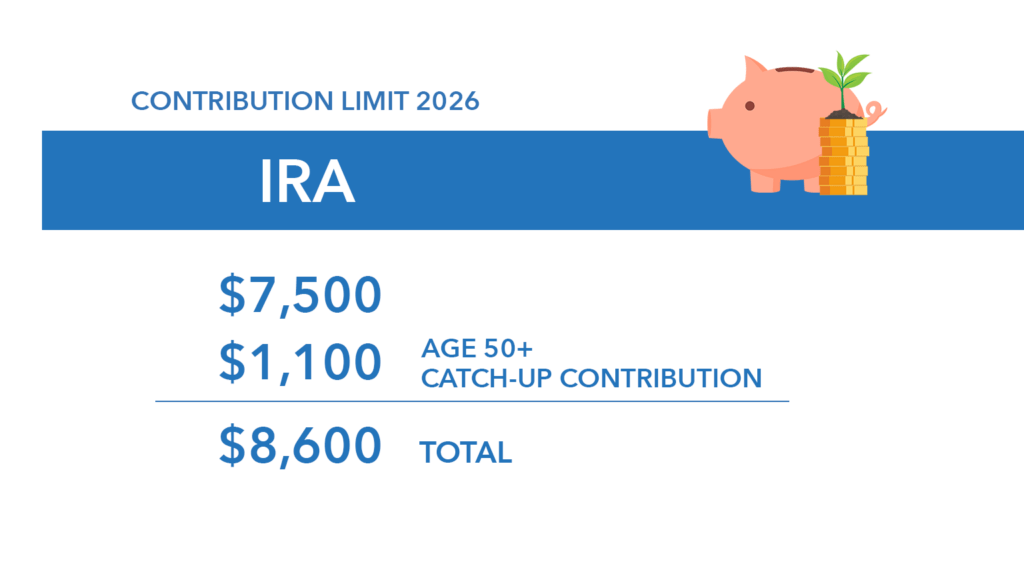
Chawn Honkomp, CFP®, RICP®, CPA, Certified Financial Fiduciary®, noted that IRA contribution limits are lower than 401(k) limits. For 2026, individuals under age 50 can contribute up to $7,500 annually, while those age 50 and older can contribute up to $8,600.
Loren also pointed out that there is a different set of rules once money moves into an IRA.
“Once they retire, more money’s going to be poured into those IRAs, which is also something to be cognizant of, because the IRA rules are significantly different than the 401(k) plan rules.”
The Retirement Tax Increase Many People Never See Coming
For many retirees, the turning point comes years after they stop working.
Early retirement may bring lower taxes because employment income has disappeared. Then Required Minimum Distributions, or RMDs, enter the picture.
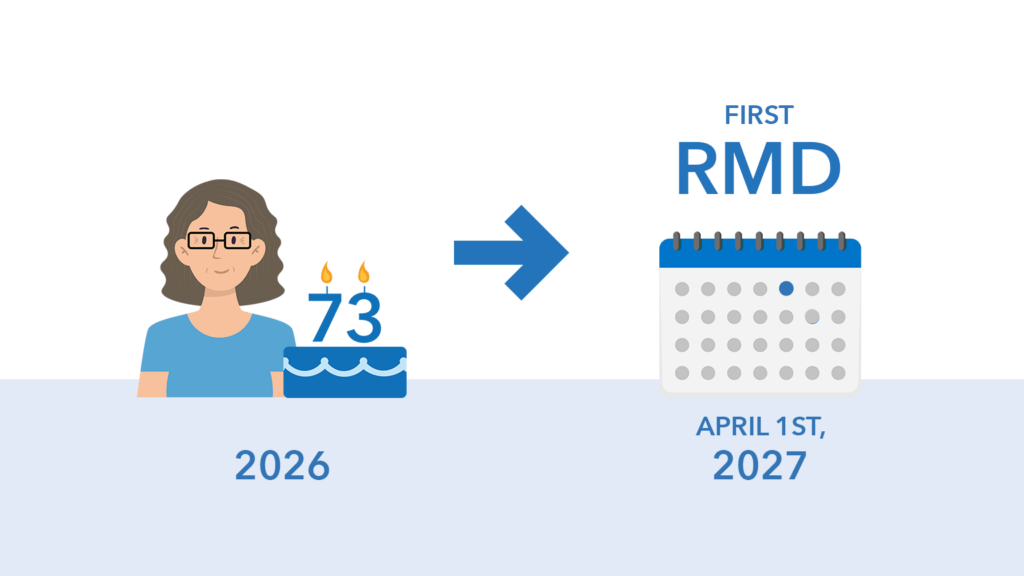
The IRS requires required minimum distributions (RMDs) from most tax-deferred retirement accounts beginning at age 73 or 75, depending on your year of birth.
Loren explained that the government eventually wants taxes paid on money that has been growing tax-deferred for decades.
Chawn explained that retirees can delay their first RMD until April 1st of the following year. However, doing so may result in two RMDs being reported in the same tax year.
Tax Laws Can Change Too
Another reason retirement taxes may not stay low forever is that tax laws themselves can change.
During the discussion, Loren pointed to the growing national debt as one factor that could influence future tax policy. While no one knows exactly what lawmakers will do, future changes to tax rates and tax brackets remain a possibility.
Fortunately, retirees cannot control Washington, but they can control how they prepare.
“What we can control is what we do with the pre-tax retirement accounts,” Loren said.
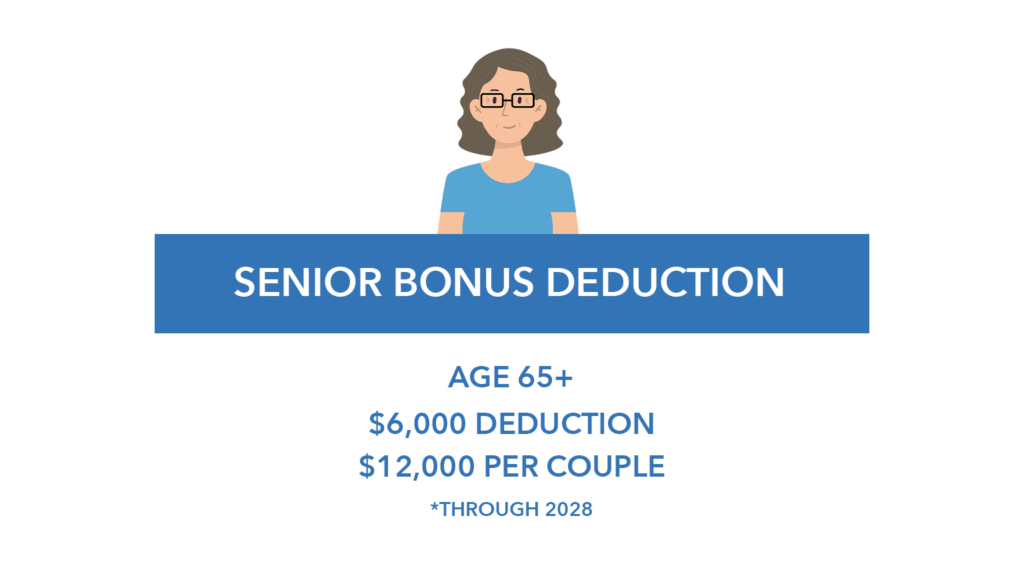
The retirement planners also discussed a recent tax benefit available to many retirees. Individuals age 65 and older may qualify for an additional $6,000 deduction, while married couples may qualify for up to $12,000 through 2028. Phase-outs begin at modified adjusted gross incomes above $75,000 for single filers and above $150,000 for married couples filing jointly.
Building Tax Diversification
The good news is that retirees may have more control than they realize.
Loren summarized the concept simply: “Buckets equals diversification.”
Many people understand investment diversification. Tax diversification applies the same concept to retirement income.
The goal is to build assets across multiple tax buckets so that future withdrawals are not all taxed the same way.
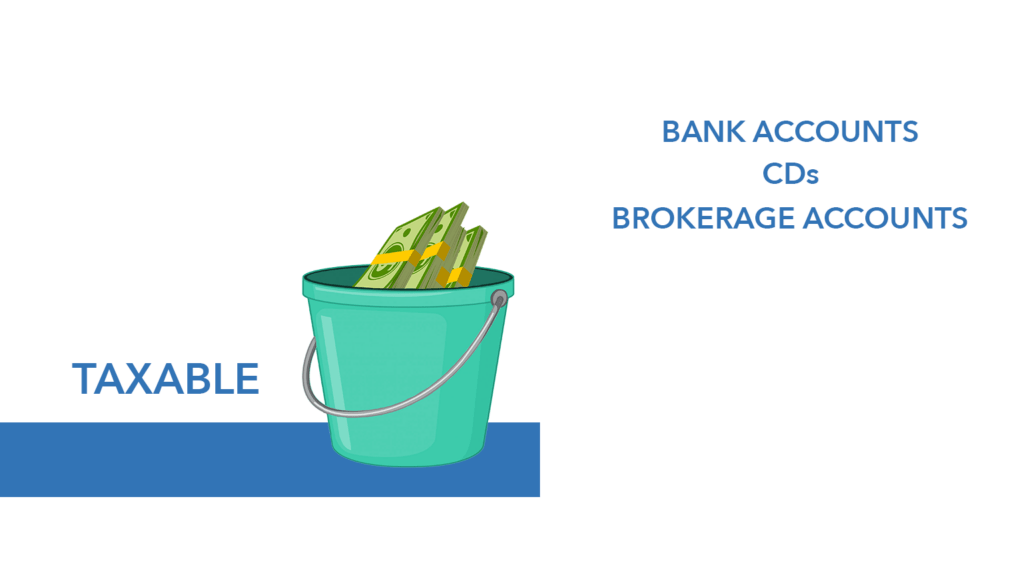
Taxable Accounts
These include bank accounts, CDs, and brokerage accounts funded with after-tax dollars. Interest, dividends, and certain gains may create annual tax obligations.
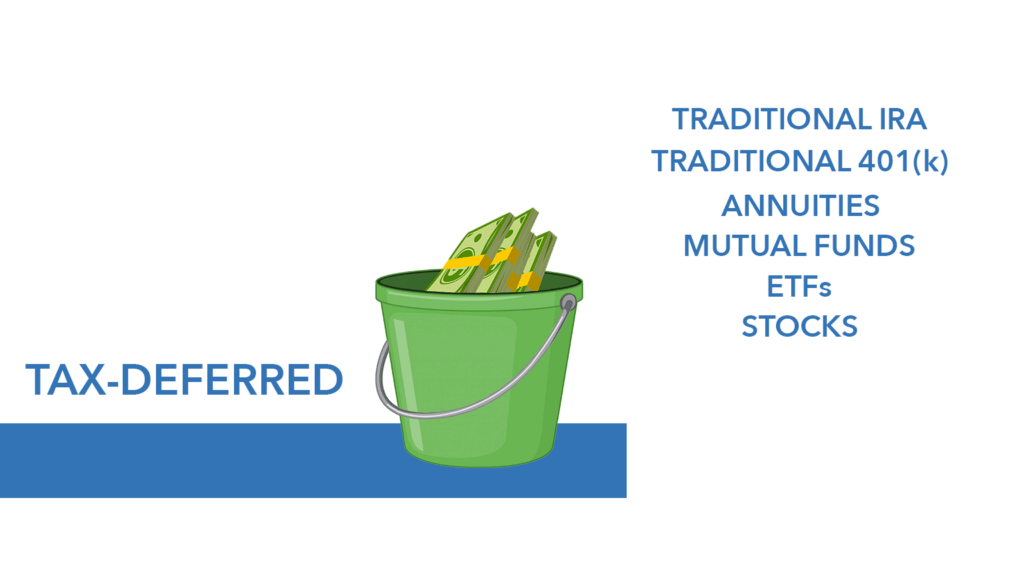
Tax-Deferred Accounts
Traditional 401(k)s, traditional IRAs, and some annuities generally allow taxes to be deferred until withdrawals occur.
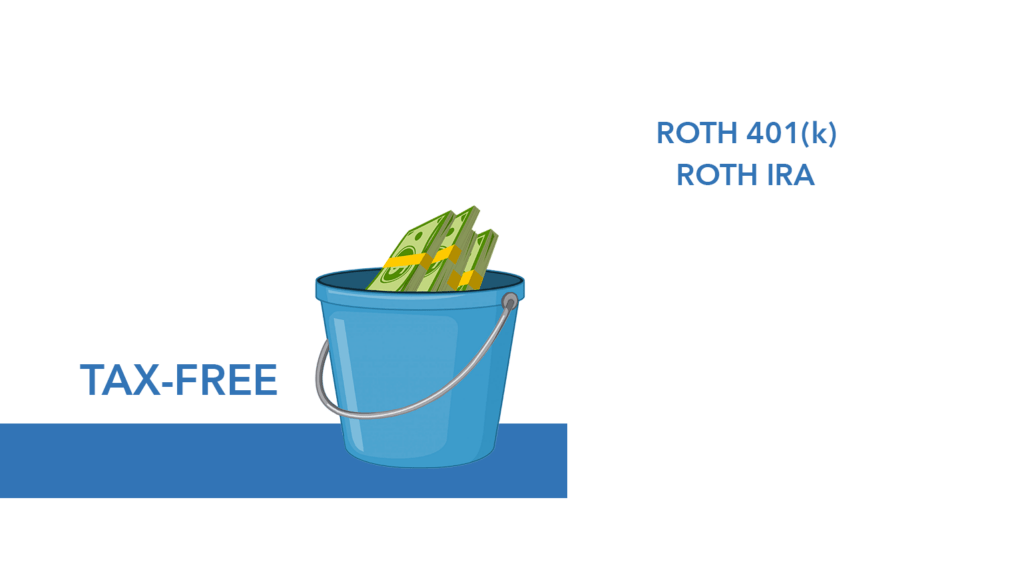
Tax-Free Accounts
Roth accounts offer a different opportunity.
Loren called Roth assets the “golden tax-free bucket” and explained why many retirees value them saying this about qualified distributions, “Every dollar you have in a Roth account, you know you get to take that dollar out and spend that entire dollar during retirement.”
Tax Planning Is About More Than Taxes
Building tax diversification requires more than simply opening different types of accounts.
According to Loren, tax planning works best when coordinated with other aspects of retirement, including income planning, investments, health care planning, legacy goals, and lifestyle objectives.
“Tax diversification doesn’t happen by accident,” Loren said. “You have to be really intentional.”
That’s because decisions in one area of a retirement plan often affect the others. Income choices can influence taxes. Tax decisions can affect health care costs. Investment decisions may impact future distributions.
As Chawn explained, the payoff is flexibility.
“What’s so powerful about building that tax diversification is it leads to options and choices.”
Final Thoughts
Many retirees experience a welcome drop in taxes shortly after leaving the workforce. The challenge is recognizing that those lower taxes may not last forever.
Traditional 401(k)s, IRAs, Required Minimum Distributions, and future tax law changes can all contribute to a higher tax bill later in retirement. The earlier you understand those potential challenges, the more opportunities you may have to prepare for them.
As Chawn noted, “The more buckets we have, the more options and more control we have on someone’s tax bill during retirement.”
Retirement may lower your taxes at first. A thoughtful tax strategy can help you prepare for what may come next.
Watch the full episode on YouTube and learn more about tax diversification and how it may help create more control and flexibility throughout retirement.