Inheriting an IRA can create new opportunities, but it also comes with important tax rules and deadlines. Learn what has changed, the options available, and how to make thoughtful decisions that fit your retirement plan.
Inheriting an IRA Can Change Your Retirement Plan
Receiving an IRA from a parent, grandparent, or other loved one can be one of life’s biggest financial events. While it may feel like an investment decision, it quickly becomes much more than that.
Inheriting an IRA can affect your taxes, your retirement income strategy, your investments, and even the legacy you hope to leave behind.
As Loren Merkle, CFP®, RICP®, Certified Financial Fiduciary® explains, “The strategy that got you to where you are now is not necessarily the strategy that’s going to get you to where you want to go.”
For many families, an inherited IRA isn’t simply extra money. It becomes another piece of a retirement plan that deserves careful consideration.
The Rules Have Changed
Not long ago, beneficiaries had much more flexibility.
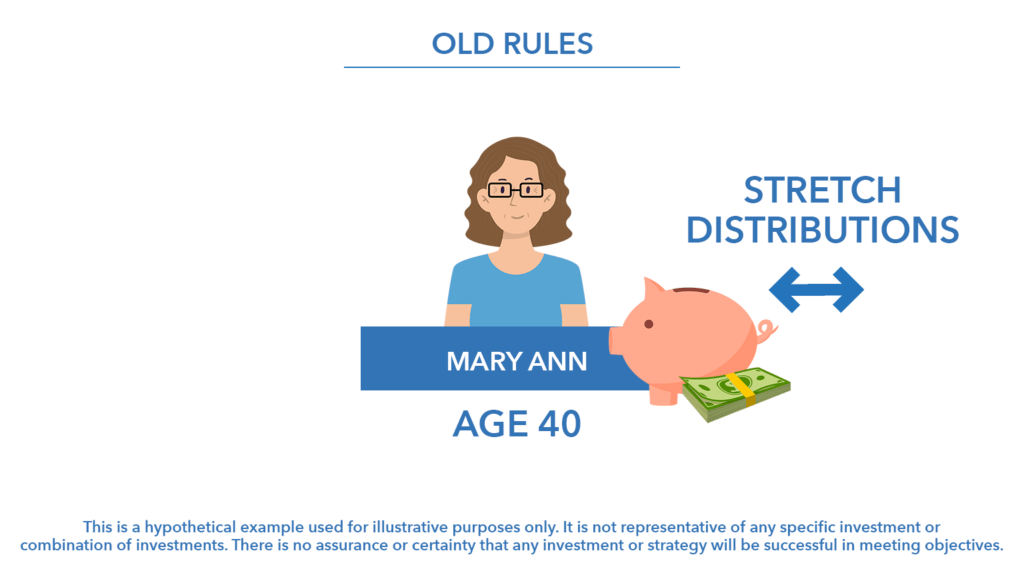
Before 2020, someone inheriting an IRA could often “stretch” required distributions over their lifetime. Loren shared a hypothetical example of a 40-year-old daughter inheriting her father’s IRA. Because she could spread withdrawals over decades, her annual required distribution remained relatively small.
That flexibility largely disappeared with the SECURE Act.
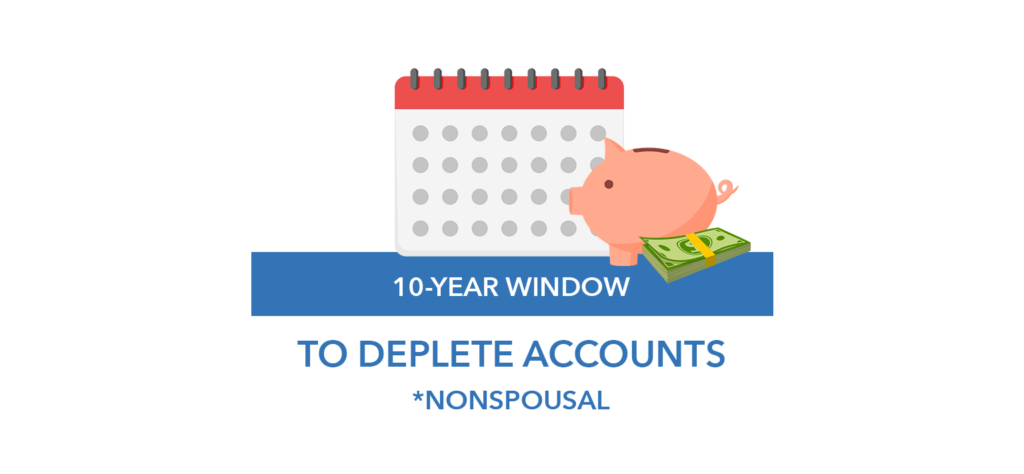
Today, most non-spouse beneficiaries generally must completely empty an inherited IRA within 10 years of the original owner’s death.
Chawn Honkomp, CFP®, RICP®, CPA, Certified Financial Fiduciary® explains, “For most beneficiaries, they have to fully deplete these inherited accounts within 10 years.”
The countdown begins the year after the account owner’s death, and the balance generally must be reduced to zero by the end of the tenth year.
Why the 10-Year Rule Can Create a Tax Problem
The timing requirement creates challenges because many inherited IRAs contain pre-tax dollars.
Those withdrawals become taxable income, often during the years beneficiaries are earning the highest salaries of their careers.
As Chawn explains, “Most of the dollars that we see that are getting passed along from generation to generation are those pre-tax dollars.”
If someone inherits a $200,000, $500,000, or even $1 million traditional IRA, those required withdrawals may significantly increase their taxable income over the next decade.
Instead of viewing the inheritance simply as money to spend or invest, it’s important to understand how each withdrawal may affect your overall tax picture.
Don’t Overlook the Emotional Side
Financial decisions rarely happen without emotion, especially after losing a loved one.
Loren recalled working with a woman who inherited money from her mother but couldn’t bring herself to think of it as her own.
“She called it Mom’s money,” Loren said.
Rather than rushing into decisions, they built an investment strategy that allowed flexibility while she processed both her grief and her financial options.
Eventually, she used portions of the inheritance to support causes that mattered to her mother, help her grandchildren, and take a trip to Europe—something her mother had always wanted to do.
As Loren noted, giving herself time “allowed the flexibility to just take it all in and then make decisions later.”
Four Ways People Use an Inherited IRA
Every retirement plan is different, but here are four approaches to consider.
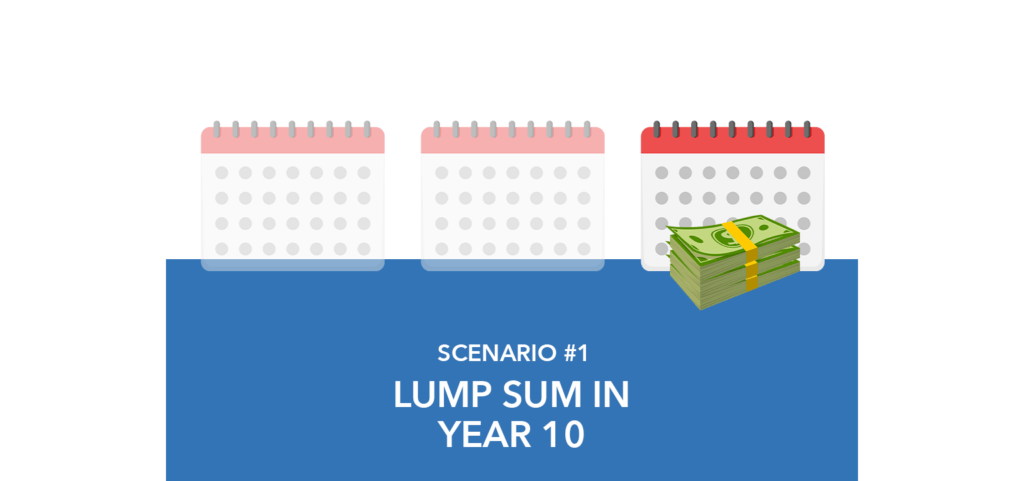
Wait Until Year 10
Someone who is still working and earning a high income may choose to leave the inherited IRA invested for much of the 10-year period.
This strategy may make sense if the beneficiary expects to be retired and in a lower tax bracket by the time withdrawals are required.
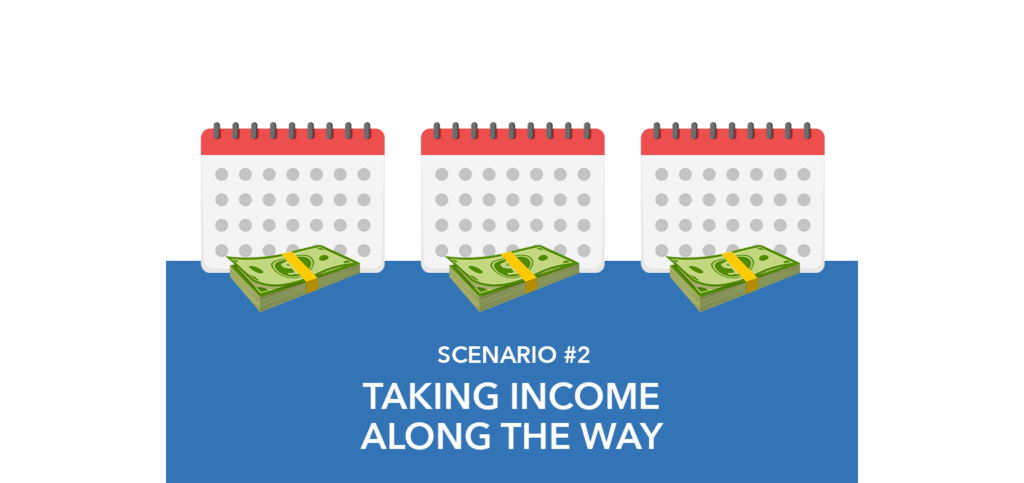
Take Income Throughout the 10 Years
Others begin taking withdrawals gradually.
This can provide additional retirement income while also spreading taxable income over multiple years.
For retirees already taking distributions from their own retirement accounts, shifting some of that income to the inherited IRA may better satisfy the 10-year requirement while preserving flexibility elsewhere in the plan.

Use the Money Within a Few Years
Sometimes retirement is just around the corner.
If someone plans to retire within the next few years, an inherited IRA may provide income that helps bridge the transition.
Because the money may be needed sooner, it may be appropriate to revisit the investment strategy.
As Chawn explained, inherited IRAs involve both “tax implications” and “market risk,” making investment decisions just as important as withdrawal decisions.
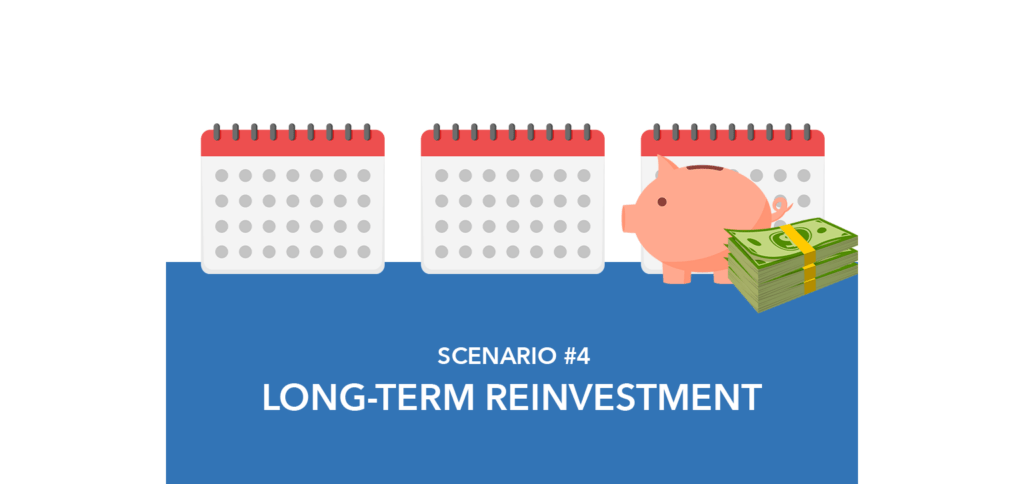
Keep the Money Invested While You Decide
Not everyone needs to make immediate decisions.
Sometimes the best first step is allowing yourself time.
The woman Loren mentioned who inherited her mother’s IRA eventually created a thoughtful plan after the emotions settled. Waiting didn’t mean ignoring the account—it meant creating a flexible strategy until she was ready to make meaningful decisions.
An Inherited IRA Should Fit Your Overall Plan
One of the biggest mistakes people make is treating an inherited IRA separately from everything else.
Instead, it should be coordinated with your existing retirement savings, income strategy, investment allocation, and tax planning.
As Chawn explained, “Inheriting dollars is a big step. It’s a big life event that can change people’s picture.”
Looking at the entire financial picture can help determine when distributions make the most sense and how the inherited account works alongside your other retirement assets.
Think About the Legacy You’ll Leave
Many people who inherit an IRA begin thinking about the experience they want their own children or grandchildren to have someday.
That’s where proactive planning can make a meaningful difference.
Chawn noted, “If you’re going to inherit dollars, you’d much rather inherit Roth dollars than pre-tax dollars.”
Strategies such as Roth conversions may help reduce future tax burdens and, in some situations, may create a more tax-efficient legacy for the next generation.
The Bottom Line
An inherited IRA is more than an investment account. It can reshape your retirement income, affect your tax bill, and influence the legacy you eventually leave behind.
What to Focus On
When you inherit an IRA, the key is to make decisions that fit your broader retirement plan—not just the account itself. A thoughtful approach can help you:
- Understand the current inherited IRA rules and important deadlines.
- Plan for the tax impact of each withdrawal.
- Coordinate the inheritance with your income, investments, and long-term retirement goals.
Honor your loved one’s intentions while making informed choices for your future.
Watch the full episode on YouTube and learn more about inheriting an IRA.