Estate planning today is about much more than avoiding estate taxes. This blog explores how changes to tax laws, the SECURE Act, probate rules, and beneficiary planning are reshaping the estate planning conversation and why flexibility, protection, and coordination matter more than ever.
Why Estate Planning Still Matters
Many people assume estate planning is only necessary for the ultra-wealthy, but Retirement Planner Loren Merkle emphasized that everyone has an estate and, therefore, everyone has an estate plan — whether intentional or not.
“Everybody has an estate,” Loren said. “Everybody has an estate plan. The question is, is that plan yours or is it the government that presides over all of us?”
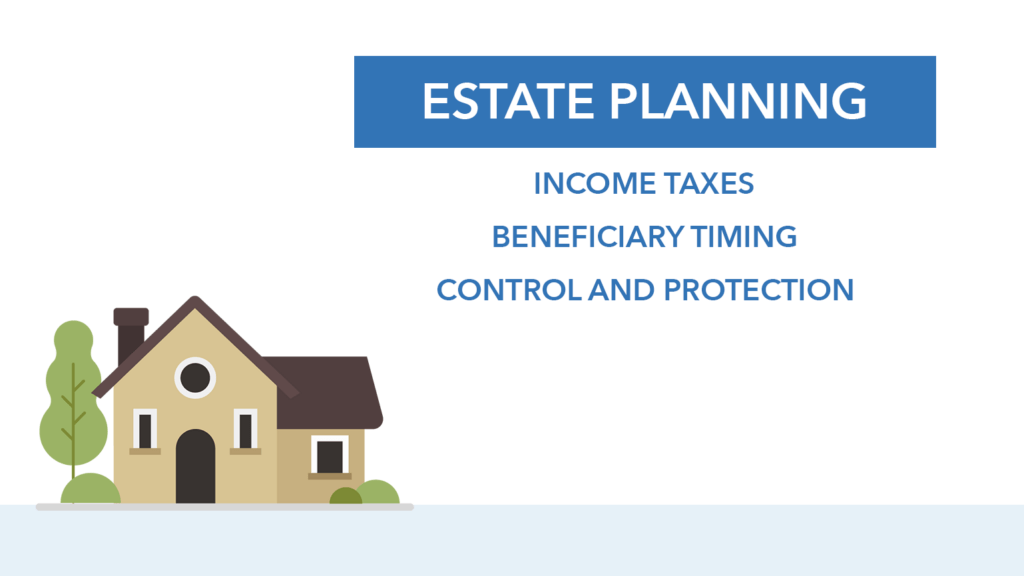
Today’s estate planning process is often less about reducing estate taxes and more about making sure assets go where you want them to go, in the most efficient way possible.
Charlie Bottenberg is an attorney with Brick Gentry P.C. He focuses primarily in the area of estate planning. Charlie explained that the current (2026) federal estate and gift tax exemption allows a married couple to pass up to $30 million estate tax free, it’s often other taxes that can create problems.
“There’s going to be some tax involved,” Charlie said. “But you have a much greater choice today than you used to about which one of those taxes you’re going to pay.”
That distinction matters because retirement accounts, brokerage accounts, life insurance, and real estate can all be treated differently after death.
The SECURE Act Changed the Rules
One of the biggest changes affecting estate plans today is the SECURE Act.
Prior to the SECURE Act, many beneficiaries could stretch inherited IRA distributions over their lifetime. Today, many inherited retirement accounts must be distributed within 10 years, and in some trust situations, distributions may need to happen even faster.
Charlie explained how older trust language can accidentally create larger tax bills.
“That doesn’t seem like maybe that big of a deal,” Charlie said, “but if you’re leaving behind, say, $2 million in retirement accounts… you could be absolutely pushing things into a much higher tax bracket because trusts have what we refer to as compressed tax brackets.”
Compressed trust tax brackets mean trusts can hit the highest tax rates much faster than individuals.
That’s why older estate plans could need to be updated.
Why Updating Your Estate Plan Matters
One of the biggest estate planning mistakes retirees can make is assuming their old documents still work properly.
Charlie said many people create wills or trusts decades earlier and never revisit them.
“The needs that you have change,” Charlie said. “Your plan needs to change with them.”
Loren compared estate planning updates to the other pillars of retirement planning.
“When it comes to your lifestyle plan, you want control over your day to day, your month to month,” Loren said. “You want flexibility, because life does change.”
That same need for control and flexibility applies to estate planning.
“The thing is, though, it doesn’t happen by accident,” Loren added. “You have to be really intentional and put that plan into place.”
Understanding Probate
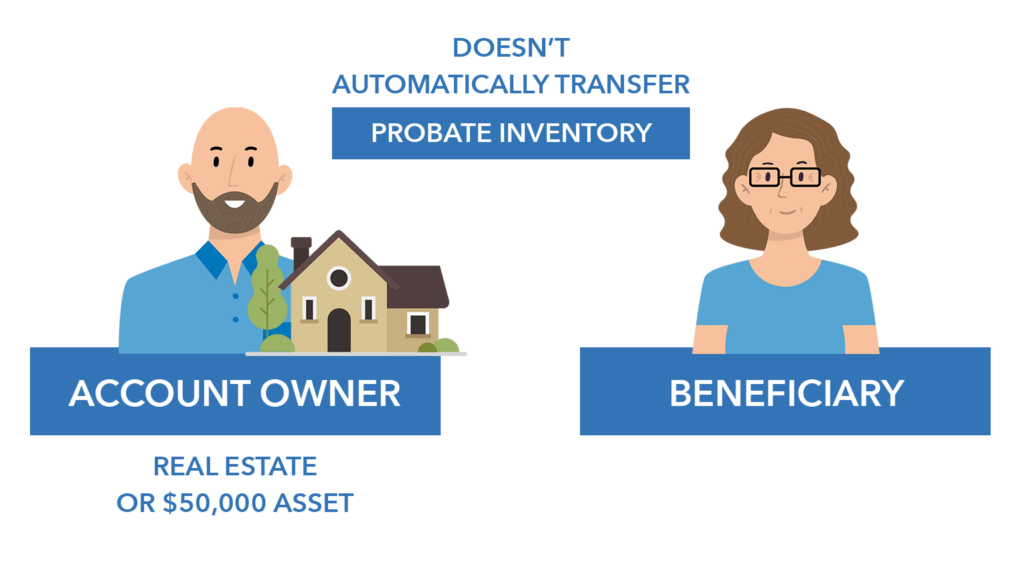
Probate is an area that can create a lot of questions and confusion.
Charlie described probate as “the legal process in the state of Iowa where your assets are transferred from you after you pass away to whomever your beneficiaries are.”
In Iowa, probate is commonly triggered when:
- A person owns real estate individually
- An asset worth more than $50,000 does not automatically transfer
- Beneficiary designations are missing or outdated
Many retirees want to avoid probate because of costs, delays, and privacy concerns.
“Things that go through probate are public,” Loren explained. “Things that don’t go through probate typically are more of a private transaction.”
Charlie also pointed out that even assets with beneficiaries can still become part of probate calculations if probate is triggered elsewhere.
That can surprise those who may assume beneficiary designations alone would avoid probate costs.
How Trusts Can Help
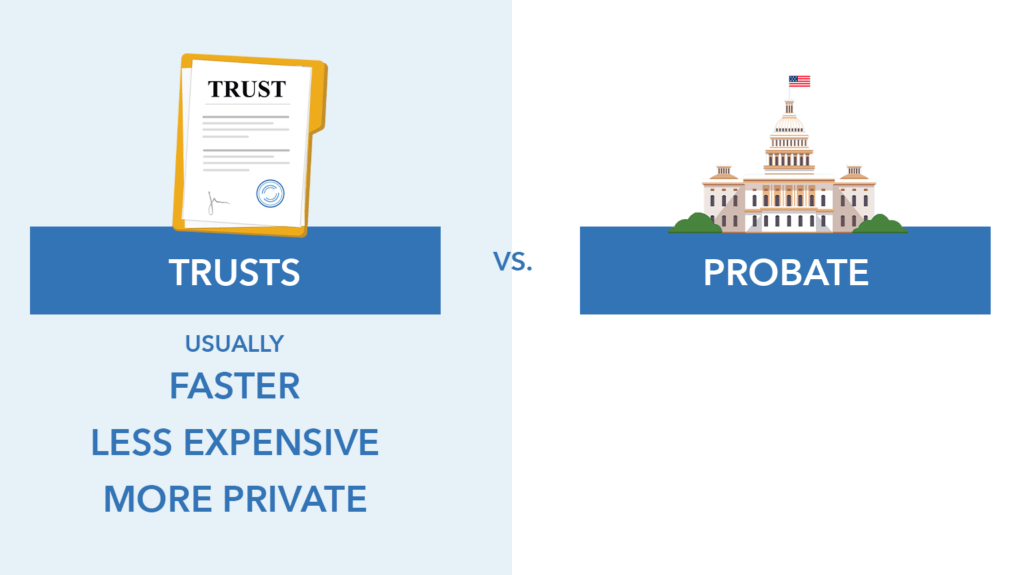
For many families and individuals, trusts can help simplify the transfer process and avoid probate.
Charlie explained that revocable trusts are commonly used to retitle assets so they are no longer individually owned.
“You individually no longer own that,” Charlie said. “Your trust owns that.”
That can create several advantages:
- More privacy
- Faster settlement
- Potentially lower costs
- Fewer court delays
“Almost universally, trust settlement is going to be faster,” Charlie said.
He noted that probate cases can take 12 to 24 months, while trust administration is often completed much sooner.
Flexibility Is the New Goal
Modern estate planning is increasingly focused on keeping options open.
Charlie said flexibility matters because laws, tax rules, and family situations continue to change.
“We don’t know what those tax laws are going to be when you pass away,” Charlie said, “so we want the plan to be flexible.”
That means retirees may not need to lock themselves into one permanent strategy today.
Loren emphasized that informed decision-making is often the real objective.
“The way to be able to choose intelligently is let’s have plan A,” Loren said. “If you execute plan A, here’s the type of tax you’re gonna pay… versus plan B.”
That side-by-side comparison can help retirees understand the tradeoffs before making major decisions.
Coordination Matters
Throughout the discussion, Loren and Charlie stressed the importance of coordination between professionals.
Retirement planners, attorneys, and CPAs often need to work together because decisions in one area can impact another.
“It’s really important for your estate planning attorney and your retirement planner to have that working relationship,” Loren said.
Charlie agreed, noting that estate planning decisions rarely happen in isolation.
“Everything is coordinated and impacted,” Charlie said.
That collaboration can become especially important when retirement accounts, trusts, tax planning, and beneficiary decisions all intersect.
Estate Planning Is About More Than Documents
At its core, estate planning is ultimately about making sure your wishes are carried out.
Charlie said the process often begins with understanding family concerns, beneficiaries, assets, and long-term goals.
“What are you worried about?” Charlie said when describing the questions he asks families. “What are your assets? Who are your beneficiaries?”
The answers to those questions help shape a plan designed around the family’s priorities.
Loren said those conversations may not always be easy, but they are important.
“It may be the least fun to talk about,” Loren said, “because not a lot of people like to talk about their death and what’s going to happen afterwards, but it is really important.”
Today’s estate planning environment is complex. For many retirees, updated documents, coordinated professionals and a flexible plan can help create more clarity as they think about the future.
Watch the full episode on YouTube and learn more about estate planning.
The information contained in this blog is not legal advice and for informational purposes only and does not create an attorney-client relationship. You should seek out legal counsel on any specific legal questions in your jurisdiction.
Guest speakers and community partners who participate in Merkle Retirement Planning events are not employees, representatives, or affiliates of Merkle Retirement Planning, LLC; Elite Retirement Planning, LLC; or MRP Insurance, LLC. Presentations are for educational purposes only and are not intended to provide investment, legal, or tax advice. Merkle Retirement Planning does not receive compensation or other benefit from the guest speakers, nor does it share attendee information with them. Any subsequent engagement between an attendee and a guest speaker is solely at the discretion of the attendee. References to community partners are provided as a courtesy and do not constitute an endorsement or guarantee of any products or services offered by those individuals or organizations.